How to set up a driver cpc training centre

How to set up a Driver CPC Training Centre

Have you thought about setting up your own Periodic Driver CPC Training Centre and are unsure about how to go about it? Well, you’ve come to the right place. In this post we will guide you through the process, step by step on how to set up a Driver CPC training centre, ensuring you are equipped to provide high-quality and engaging training to meet the ongoing professional development needs of drivers.

Step 1: Understand the Regulatory Framework

Familiarise yourself with the specific regulations and requirements governing periodic Driver CPC training. The Driver and Vehicle Standards Agency (DVSA) oversees these regulations, and it’s crucial to understand the legislation, guidelines, and procedures involved.

The application process requires you to assure DVSA/DVA you are compliant with statutory requirements, demonstrate how you deliver Driver CPC training to a high-quality standard and submit well-thought-out courses. This is achieved by completing a robust Centre Scheme of Control (SoC). The Centre Scheme of Control (SoC) sets out in detail the way you monitor and manage training and how you address the risks in relation to the size and structure of your operation.

Step 2: Define Training Programs

Determine the training programs you will offer at your Driver CPC training centre. Periodic training covers a range of topics related to driver competence, regulations, safety, and professionalism. Identify the modules and topics mandated by the regulatory authority using the Driver CPC Syllabus and develop a curriculum that meets these requirements.

Step 3: Develop Engaging Course Material

Create engaging and interactive course material for each module. Incorporate a variety of teaching methods such as presentations, tasks, videos, case studies, group discussions, and practical exercises. Tailor the content to ensure it is relevant, up-to-date, and aligned with the specific needs of professional drivers.

Step 4: Recruit Qualified Instructors

You will need qualified instructors who possess the necessary expertise in driver training and regulations. This could be you or you could hire in your trainers. A Driver CPC trainer will need to possess excellent communication skills, the ability to engage and motivate learners, and a deep understanding of the transportation industry.

Step 5: Establish Training Infrastructure

Set up a suitable training infrastructure for your periodic Driver CPC centre. This will include well-equipped classrooms, audiovisual aids, training materials, and other necessary resources. A classroom can be anywhere as long as it meets the minimum requirements. You can also take the option of remote delivery, just ensure you create a comfortable and conducive learning environment that facilitates effective knowledge transfer and practical skill development.

Step 6: Obtain Regulatory Approval

Obtaining approval and accreditation for your periodic Driver CPC training centre comes in two parts. The first part requires you to complete an application form for centre approval. You will need to compile your SoC and send any supporting documents. The application fee for centre approval is £1500.

The second part requires an application to be completed for the courses/modules you would like to deliver. You will also need to submit trainer evidence for every course/module the instructor intends to deliver. There is a fee of £36 per hour of course length (such as £252 for a 7-hour course).

For quality control, purposes, DVSA will audit your centre at least once within the first year of your approval. Your centre can be audited more than once during the 5-year approval. Your courses will also be subject to a DVSA unannounced audit. The frequency, of course audits will depend on the quality of your training delivery.

Step 7: Implement Effective Administration and Record-Keeping

Establish efficient administrative processes to manage attendee enrollment, scheduling, record-keeping, and the issue of certification. Utilise tools such as spreadsheets, software or customer relationship management (CRM) systems to streamline these tasks. Adhere to data protection and privacy regulations to ensure the security and confidentiality of driver information.

Step 8: Promote Your Training Centre

Implement a comprehensive marketing strategy to promote your Driver CPC training centre. Develop a professional website, advertise, utilize social media platforms, collaborate with local transportation companies, and engage with industry associations. Highlight the benefits of choosing your centre, such as experienced instructors, flexible scheduling (Note: you must give DVSA no less than 48 hours to schedule a planned course), and a commitment to ongoing professional development.

In Conclusion

Delivering Driver CPC training can be an incredibly rewarding endeavour. Not only does it provide an opportunity to contribute to the development and enhancement of professional drivers, but it also allows you to make a positive impact on road safety and the overall transportation industry. As long as you have gained a solid understanding of the regulatory framework, curriculum development, instructor recruitment, infrastructure setup, and efficient administrative processes, you’ll be well on the way to running a successful Driver CPC training centre.

If you would like some help with setting up your centre, or would just like to talk through your plans with someone, please don’t hesitate to get in touch. We’re here to share the knowledge!

FORS Standard Version 6 Summary of Changes

FORS Standard Version 6 Summary of Changes

It’s that time again when FORS update their Bronze, Silver, and Gold Standard. We wanted to let you know what the FORS Standard version 6 summary of changes are, as soon as we did.

We’ll be updating our FORS Help packs, which will be available to purchase at the end of June.

If you have any questions regarding FORS, please don’t hesitate to get in touch. We’re here to share the knowledge!

Summary of change between Version 5.1 and Version 6

M1 FORS documentation

New table created as Annex 3 which highlights
which requirements shall have a policy and/
or procedure and/or risk assessment/method
statement.

Clarification that operators are able to
demonstrate M1 using policy documentation
attributed to other schemes

Reminder: small operators may
demonstrate M1 verbally

M2 Records and information

No change

M3 Responsible person

No change

M4 Staff and resources

Pre-appointment checks for drivers should
include a declaration by drivers of any collisions,
both at work and off-duty, which involve
engagement with an insurance company and/or
the police

M5 Communication

Communications with drivers shall include
a declaration for drivers to acknowledge
awareness of their individual responsibilities

M6 Vehicle fleet

Clarification on the process for providing vehicle
registration marks or vehicle identification
numbers for trailers
The date from which dormant or previously
used operating centres shall be included in the
vehicle fleet register, has been updated

M7 Regulatory licensing

Regional/city vehicle permits relating to safety
or environmental requirements added as an
option, where applicable, to the current list of
licences and permits
FORS operators shall report to FORS any
licence or permit revocations, suspensions or
curtailments that are relevant to FORS

Where an operator licence is held, FORS
operator shall declare any enforcement
sanctions within the past 12 months and any
impending regulatory action

M8 Health and safety

Clarification around operational and driving at
work risks to be assessed under O1, including
prescribed passenger routes, and designated
routes to and from construction sites, and
addition of notified routes for abnormal
indivisible loads (AIL)

M9 Complaints

No change

M10 Transport infringements

No change

M11 Transport updates

Removal of reference to LoCITY scheme bulletin

V1 Serviceability and roadworthiness

Policy and supporting procedures for first-use
inspections shall include information on leased
and loaned vehicles, as well as hired vehicles
required in Version 5.1

V2 Daily walkaround checks

In addition to trailer coupling and load restraint
required in Version 5.1, where relevant, the
walkaround check shall also cover other
specific components listed
Drivers expected to repair minor defects shall
be competent to undertake these tasks

V3 Insurance

No change

V4 Vehicle tax

No change

V5.1 Load safety for HGVs

No change

V5.2 Load safety for PCVs

Maximum passenger and luggage weight limits
shall be considered

V5.3 Load safety for vans

No change

V5.4 Load safety for cars

No change

V5.5 Load safety for P2W

No change

V6 Vehicle safety equipment

Class V and Class VI close-proximity mirror
fields of view may now be achieved using a
camera monitoring system
Removal of reference to London’s Direct Vision
Standard vehicle safety scheme

V7 Tyre management

No change

D1 Licensing

Frequency of driving licence checks for higher
risk drivers shall be increased using an
approved risk scale – recommended (should) in

Driver licence checking procedure shall include
a requirement for drivers to sign an annual
declaration

D2 Driving standards

No change

D3 Staff induction

No change

D4 Professional development

No material change; language changed for
clarity only

D5 In-vehicle communication

No change

D6 Health and eyesight

No change

D7 Working time and drivers’ hours

Procedure for obtaining, processing and
analysing the relevant drivers’ hours shall also
include information on secondary employment
and its impact – recommended in Version
5.1 (should)

O1 Routing

The procedure in place to plan and adhere
to compliant, safe, and efficient routes shall
include adherence to any route scheduled by
the FORS operator or any route authorised by a
competent authority

Any route scheduled by the FORS operator,
or authorised by a competent authority,
shall include abnormal indivisible loads
(AIL) movements
In addition to the requirement in Version 5.1
for the risk assessment to include prescribed
passengers routes and designated routes to
and from construction sites, the risk assessment
shall also include any notified AIL routes

O2 Fuel, emissions, and air quality

No material change; language changed for
clarity only

O3 Road traffic collisions

No change

O4 Passenger safety

Clarification that all vehicles designed to carry
one or more passengers are in scope of this
demonstration

In addition to the passenger safety instructions
in Version 5.1 to include wearing seat belts, the
safety documentation shall include information
on not distracting the driver

O5 Specialist operations

No change

O6 Operational security

No change

O7 Counter terrorism

No change

S1 FORS Bronze

No change

S2 Performance data

Requirement changed from actively monitoring
and benchmarking to actively monitoring and
managing operational performance
An operational performance action plan shall be
documented, including performance indicators/
operational targets, and methods/tools
employed to monitor data
Penalty Charge Notice (PCN) management
should be included within data capture and
monitoring tools

S3 Fuel, emissions and air quality

The commitment to reducing fuel consumption
and minimising environmental impact shall
include the fuel efficiency and emissions
reduction initiatives that are in place or are
included in the operational performance action
plan now required for S2

S4 Road risk

Change to language regarding managing work
related road risk:
• Added reference to the operational
performance action plan now required for S2
• Changed language from “evidence of a
review meeting with the insurance provider”
to “evidence of a review with the insurance
provider” for clarity

S5 Professional development

Professional development shall be relevant to
the specific roles and responsibilities of drivers,
the responsible person, and all other staff in
the fleet operation – recommended (should) in

The amount of CPC training completed by
drivers should be seen as a guide for the
professional development of all other staff
Driver licence acquisition training should be
introduced

S6 Vehicle safety equipment

Regional or city vehicle permits relating to
vehicle safety requirements may be included
as evidence, where applicable, so long as they
meet or exceed the FORS Standard

S7 Noise pollution

Removal of customer locations from noise
impact assessment
Clarification that FORS operators may use
the FORS Noise Assessment template to help
evidence this requirement

S8 Internal communications

Silver re-approval: FORS operators shall
demonstrate internal communications for
previous 12 months

List of relevant materials that should be
used to assist internal communications
campaigns updated

S9 Sub-contracted services

No change

G1 FORS Silver

No change

G2 Recruitment and retention
(previously G4)

G2 Performance data

Requirement removed
Data elements of the demonstration
incorporated at S2

Recruitment and Retention (G4 in version 5.1) –

No change

G3 Sustainable operations
(previously G6)

G3 Gold case study – requirement removed
Some elements of the demonstration are
incorporated into new G3 as recommended
good practice

Sustainable Operations (G6 in version 5.1)
The review of fleet operation to improve
operational performance shall inform fleet
replacement decisions

At least 50% of the fleet should meet ‘ultra-low
emission’ engine standards

The fleet replacement plan should demonstrate
progression towards 100% ultra low emission
fleet

FORS operators may also provide evidence of
promoting sustainable initiatives

G4 Staff travel
(previously G8) Staff Travel (G8 in version 5.1)

No change

G5 Professional development

No change

G6 Contracted services
(Previously G9)

Rewording of the requirement for clarity
Where it is difficult to influence suppliers, FORS
operators should demonstrate best endeavours

The FORS list of accredited operators should
be explored when placing contracts for
transport suppliers

The following requirements from Version 5 have been removed and some
elements incorporated into Version 6 where appropriate:

G2 Performance data – requirement removed

Data elements of the demonstration incorporated at S2

G3 Gold case study

Requirement removed

Some elements of the demonstration are incorporated into new G3 as recommended good practice

G7 Promoting FORS

Requirement removed

Elements of community engagement, and supporting other operations, incorporated into new G3 as optional

Do I need an Operator Licence if I run a van?

Do I need an Operator Licence if I run a van?

The big question van owners are asking is, do I need an Operator Licence if I run a van? In this blog post, we will dive into the intricacies of this topic and provide you with clarity. We will explore the factors that determine whether or not you need an Operator Licence to run a van, taking into account both domestic and international operations. Join us as we navigate through the recent regulatory changes and shed light on the implications for van owners. By the end of this article, you will have a clear understanding of the Operator Licence requirements and how they may affect your van operation.

The Big Question: Do I Need an Operator Licence if I Run a Van?

Well, the answer is yes and no. Yes, if you operate abroad and no, if you only operate in the UK. The rules changed at the end of May 23 regarding operating vans in the EU. Meaning that if your operations include driving vans or cars towing trailers to transport goods for hire or reward between 2.5t and 3.5t in the European Union, Switzerland, Norway, Iceland or Liechtenstein, from 21 May 2022, you will now need a Standard International goods vehicle operator licence.

Historically, you only needed an Operator Licence (O’ Licence) if you operated goods vehicles or public service vehicles over a GVW of 3.5t. This has changed, vans between 2.5t and 3.5t now need an Operator Licence, or you will be operating unlawfully and could face prosecution.

What are the new rules for vans?

The changes are contained within the Trade & Cooperation Agreement between the UK and EU and will apply to you if you’re based in England, Scotland or Wales and use:

  • Vans or other light goods vehicles (sometimes called light commercial vehicles or LGV for short)
  • Vans towing trailers
  • Cars towing trailers

You need to either:

  • Apply for a standard international goods vehicle operator licence for the first time
  • Add the vehicles to your standard international goods vehicle operator licence (if you already have one)
  • Apply to upgrade your standard national goods vehicle operator licence (if you have one) to a standard international goods vehicle operator licence
  • Apply to upgrade your restricted goods vehicle operator licence (if you have one) to a standard international goods vehicle operator licence

Do the new rules apply to me?

The new rules will apply to you if you use:

  • Vans with a maximum authorised mass (MAM) over 2,500kg (2.5 tonnes) and up to and including 3,500kg (3.5 tonnes)
  • Vans towing a trailer with a gross train weight (GTW) over 2.5 tonnes and up to and including 3.5 tonnes
  • Cars towing a trailer with a GTW over 2.5 tonnes and up to and including 3.5 tonnes

You will not need a goods vehicle operator licence if any of these apply:

  • You only use your vehicles in the UK
  • You are transporting goods not for ‘hire or reward’

Am I carrying goods for “hire and reward”?

Hire and reward means that you are carrying goods for, or on behalf of, someone else. This generally applies if you are paid to move other people’s goods. If however, you are only moving your own goods for your own purposes, this would usually not be classed as hire and reward.

Do I need Tachographs for Vehicles over 2.5 Tonnes?

Currently no, you will not need a tachograph for vehicles over 2.5t up to 3.5t. However, from 1 July 2026, tachographs will have to be installed in vehicles over 2.5 tonnes operating in the EU.

How do I apply for an operator licence?

You have two options:

Option 1 – Employ the services of a consultant

If you’re a little unsure and the whole process looks a little daunting, you can enlist the help of a consultant to assist with your application. Here at TMconsultant, we help new operators gain their Operator Licence every week. If you would like to know more about how we can help you, click here or please do just get in touch. We’re a friendly bunch and are happy to chat and provide free advice.

Option 2 – Apply directly to the Office of the Traffic Commissioner (Licensing)

You can DIY by going here. I have written a blog about how to apply for an operator’s licence, you can read that here.

Do I need a Transport Manager?

Yes, you do. To get a standard international goods vehicle operator licence when operating vans over a MAM over 2.5t in the EU, you will now need a Transport Manager (or external transport manager). This is someone who is responsible for:

  • Planning routes and scheduling delivery times
  • Managing your team of drivers and administration staff
  • Making sure drivers follow company and industry regulations
  • Arranging vehicle maintenance, MOTs and tax payments
  • Organising vehicle replacements.

You must either:

  • Apply to get an existing member of staff (including yourself) temporarily recognised as a transport manager
  • Employ someone with a Transport Manager Certificate of Professional Competence (CPC) qualification
  • Hire an external qualified transport manager.

What are my transport manager options?

You have three options:

Option 1 – Use an existing member of staff temporarily recognised as a transport manager through Grandfather rights

If you decide to get an existing member of staff temporarily recognised as a transport manager, they must have at least 10 years of experience managing fleets of vehicles before 20 August 2020.

  1. The member of staff needs to apply to be temporarily recognised as a transport manager (this is sometimes called having ‘acquired rights’). If their application is successful, they’ll be treated as having the Transport Manager CPC qualification until 21 May 2025\
  2. When you apply for your goods vehicle operator licence, you need to apply to add them as the transport manager for your licence
  3. The member of staff needs to pass the CPC qualification by 21 May 2025 to continue being a transport manager after that date
  4. When they’ve fully qualified, they’ll need to keep up a high-quality professional knowledge of transport industry rules and policies.

Option 2 – Get a member of staff qualified

This person will need to take a Transport Manager CPC qualification. This is called the International Transport Manager Certificate of Professional Competence (CPC) in Road Haulage. You will need to take the international For more information, you can read a blog I wrote about how to become a transport manager here.

Option 3 – Hire an External Transport Manager (ETM)

You can hire-in an External Transport Manager. An External Transport Manager, (ETM for short), is essentially a freelance consultant Transport Manager. They’re not someone on your payroll, but they are contracted to work with you to act as your transport manager. Ensure you find an ETM with an International TM CPC qualification and of good repute. If you would like to take this option we can help find an ETM near you!

What will the ETM do?

The external transport manager is there not only to ensure you are compliant but can help reduce your fuel bill, review your current H&S policy status and develop driver training.

Your ETM will manage:

  • Operator Licensing changes and authority communication
  • Working Time Directive Compliance
  • Drivers Hours Compliance
  • Tachograph Analysis
  • Vehicle Periodic Maintenance Inspection Schedule
  • Vehicle Defect Reporting Systems
  • Driving Licence Checks
  • Daily Walk round Inspections
  • Toolbox talks/Driver CPC Training Delivery
  • Driver Reprimands/Disciplinary Hearings.

Your ETM will also:

  • Carry out an initial audit to identify any shortfalls
  • Full systems implementation – Ensure you are equipped with the requisite policies and processes
  • Carry out weekly catch-ups. This is normally remotely
  • Carry out Monthly on-site visits
  • Provide ongoing advice.

For more information about what ETMs do and how much it costs to hire an external transport manager go here.

How much does an ETM cost?

Prices start from £450.00. Check out our ETM prices here

How can I find an External Transport Manager?

Here at TMconsultant we operate an ETM finder service. All you need to do is provide us with some basic information and we’ll find an ETM near you! Either, complete this form or get in touch, we’re here to share the knowledge!

TMconsultant launch the Transport Manager Compliance Pack

TMconsultant launch the Transport Manager Compliance Pack

When you complete your TM CPC, you may be asking what would be the most important item you will need when embarking on your new career? Well, that would be a comprehensive transport manager compliance pack, a transport manager’s bible. We get many enquiries, from newly qualified transport managers regarding this, so we thought it about time we put together a definitive Transport Manager Compliance Pack template.

Traffic Commissioners expect you to be able to demonstrate the mechanisms you intend to have in place and how you will be managing your fleet. This means all transport managers, internal and external will need to be armed with a set of policies and processes, so they can effectively and continuously manage transport activities. For example, auditing of daily walk-round checks, managing, auditing and reviewing compliance systems, reviewing any shortcomings such as prohibitions and/annual test failures, ensure provisions are in place for the prompt delivery of maintenance sheets, cross-checking the soundness of driver walk-round checks, and PMIs. For a list of transport, manager duties check out our blog on top-line transport manager duties. As you can imagine, compiling a compliance pack from scratch will take some time, this is where our Transport Manager’s Compliance Pack template comes into play. Our pack is a downloadable product and easy to purchase.

So what’s included in the pack?

  • Operator Handbook VS5 – full company policies and process, director declaration
  • Driver Handbook VS5 – policies, processes, declarations and risk assessments relevant to the driver, driver declaration
  • Stationary & Forms – comprehensive pack containing all the stationery and forms you’ll need to run an effective fleet
  • To-do List/Status/Review Document – a helpful tool to ensure you have covered off everything and assist in your annual review
  • Fleet Operator Master Spreadsheet – a handy all in one spreadsheet to record and manage your fleet
  • Risk Assessment Package – essential in helping you manage your transport, work-related road risk (WRRR) obligations
  • Tech support – get in touch if you have any technical issues regarding the pack

Want to purchase the pack, go here.

For more DVSA information regarding effective Transport Management go here.

If you need any help or would just like to have a chat please do get in touch, we’re here to share the knowledge!

FORS Bronze audit

Top 10 reasons why operators fail their FORS Bronze audit

At TMconsultant, we strive to help with making life easy and stress-free for operators to obtain their Bronze accreditation. So we thought we would let you know our top 10 reasons why operators fail their FORS Bronze audit. All our consultants are current FORS auditors, so they see the same avoidable errors.

M7 Risk Assessments

There is a total of 16 risk assessments an auditor will ask you to evidence for your FORS bronze audit. However, there are two of the 16 that might not be applicable to your business, (Coupling/uncoupling & specialist operations). As a minimum, you will be required to evidence the remaining 14. Below are the most common risk assessments that operators fail to evidence at an audit.

1. COSHH

There are no operators that don’t need a basic COSHH risk assessment. It still amazes us how many operators are adamant they do not require COSSH. However, their employees handle, Diesel, AdBlue, Washer Fluid & come into contact with oil and grease.

2. Speed, adverse weather conditions, and seat belts.

Please remember to include the above important points into your risk assessments. Many operators do seem to forget these points, your Auditor is specifically looking for them.

3. Routing

You still need a routing risk assessment that covers potential risks, even you do not have regular routes or are subject to construction routes.

4. Passenger Safety

If FORS Auditors had a pound for every time we’ve heard “we don’t carry passengers” or “this is for buses, we don’t run busses”, we’d all be very wealthy. The passenger risk assessment applies to all vehicles in your fleet with passenger seats. Make sure you have your passenger safety risk assessment ready.

5. O6 Operational Security & O7 Counterterrorism

This one always surprises us. This section of V5.1 has had so much communication from FORS including the online Tool Kit’s. However, operators are still failing to evidence a risk assessment to cover this section.

Need help with risk assessments? You can purchase our risk assessment templates as a pack or individually from our shop.

Polices

There are several policies in the FORS V5.1 Bronze standard that require special attention and require specific content.

7. D4 Manager training

Transport managers and responsible people (Directors) are required to have completed a FORS approved refresher course within the last five years, (see our blog for more details). This section has accounted for the most major action points since Jan 2020

8. D6 Health and eyesight

Companies forget to include in their policy that an eyesight check will be conducted after a driver is involved in a road traffic collision, incident, or near-miss.

9. D7 Drivers’ hours and working time

This policy can very detailed, and although the operator generally knows the rules on drivers’ hours/WTD, they will overlook the lost or defective company/driver tachograph card procedures. This is something your FORS Bronze auditor is specifically looking for.

O1 Routing & O2 Passenger safety

We find many operators overlook both these policies. Make sure you don’t!

10. O3 Road Traffic Collisions

A company will usually have this policy but will neglect to add the important element that “a driver shall be assessed for well-being and competency to ensure they are fit to return to driving duties”.

Still unsure?

We hope our top 10 reasons why operators fail their FORS Bronze audit have helped. However, if you are still unsure, then you can purchase our Bronze audit packs, alternatively just get in touch.

FORS Help Basic – Documents including a to-do list

FORS Help Support – Documents plus email and telephone support

FORS Help pre-audit package – Documents, support plus two site visits

What is tachograph analysis

What is tachograph analysis? All you need to know

What is tachograph analysis?

Tachograph analysis is the way to measure and monitor how your drivers are performing in their day-to-day driving and work duties. Tachograph analysis provides the transport manager with detailed reports, highlighting areas for attention. By recording speed and distance, the tachograph provides an accurate picture of what a driver has been doing, even whether or not they have broken the law. Since 2006, all vehicles over 3.5 tonnes sold in the UK are required by law to be fitted with a digital tachograph.

Every fleet operator must ensure they have the means to analyse driver data from both the tachograph vehicle unit (VU) and the Driver Card and to manage said data correctly. For information relating to tachographs rules for drivers and operators go here, including exemptions.

There are some old analogue tachographs out there, however, in the post, we’ll be looking at digital tachographs.

How do we collect this data, where do we put it and what do we do with it?

Data is collected via a tachograph Vehicle Unit (VU) and a driver card which is inserted into the VU every time the driver uses the vehicle. The data is then uploaded to tachograph analysis software using a download tool and then, in turn, provided to you via software applications, in written and graph formats. Let’s have a look at all the elements needed to be compliant.

The Tachograph Vehicle Unit (VU)

A tachograph unit (VU) is a radio-sized device fitted on goods and passenger vehicles. The VU head records various types of driver and vehicle data such as journey distance, speed, driving time, working time, and events. Data is stored in the VU internal memory. There are a number of companies out there that manufacture Vehicle Units such as VDO (Siemens), Stoneridge, Intellic and Actia.

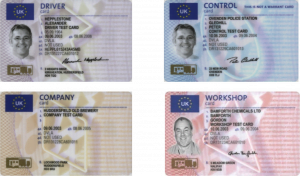
To access the VU data, you will need to ‘unlock’ theVU using a company card. Other cards used to unlock data are the control card and the workshop card.

Vehicle Unit data should be downloaded at least 90 )the maximum timeframe) or 28 days, but we recommend more frequent downloads, weekly for drivers and monthly for vehicles as best practice.

The Digital Tachograph 3.0 from VDO

The Digital Tachograph 3.0 from VDO

Control Cards

Control cards are used by law enforcement agencies to retrieve data from the tachograph. A control card is able to override any company lock put in place by operators.

Workshop cards

Workshop cards are used by authorised and official tachograph technicians to calibrate, install or repair tachographs.

Company cards

Company cards are used by operators to retrieve data from the tachograph regarding their employees and vehicles. You can also lock information using a company card or authorise third parties, to collect data.

Driver Card

Unlike cards used to ‘unlock’ data from the VU, the driver card collects data. The driver card is a credit card-sized plastic card that contains a microchip. The card stores all relevant driver data required for EU Drivers’ Hours regulations including break and rest times.

The driver card:

  • Is unique to the individual driver and valid for five years
  • Can store information for 28 days
  • Can only be used by its owner, ie. the driver authorised to use it
  • May be suspended or withdrawn by an enforcement officer if the card has been falsified, if the person using the card is not the legal holder of the card, or if the card has been obtained by false declaration or forged documents
  • Must be made available to enforcement officers on request.

Digital tachograph cards

Download Tool/key/card reader

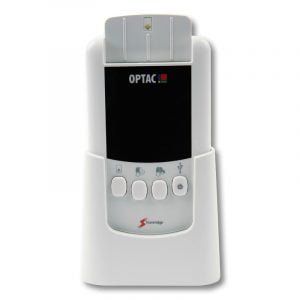
Download tools are used to collect VU and card data. They come in varying shapes and sizes and offer differing functionality. They all collect data from the vehicle and the driver card. Manufacturers include DigVU, Digidown and Optac. Automatic, remote downloading is also available.

Optac download tool

Optac combined download tool


DigiVU+ Digital Tachograph Reader

DigiVU+ Digital Tachograph Reader

Digital Tachograph Card Reader

Digital Tachograph Card Reader

Analysis software

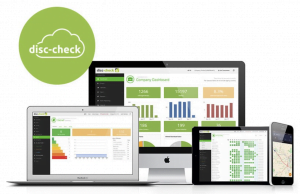
Tachograph software is a web-based tachograph analysis system, where you can instantly analyse data and manage driver and vehicle reports. You generally will only pay for the records that are submitted. This can keep start-up costs down, scales as your business scales, and means that the product is always up-to-date and will never need to be upgraded. I have used quite a few tachograph systems including over the years, for example, Tachomaster, Descartes Smartcompliance, and Tachodisc. I am currently using TDi Disk Check. In my humble opinion, Disc Check is brilliant, very easy to use, intuitive, and is built with end-users in mind. The system is fully accessible from mobile and desktop devices meaning no limits as to when or where data is accessed.

TDI disc-check

TDI disc-check

Go it alone or use a paid service?

This leads us nicely onto whether you should use the services of someone to assist or to go it alone. This will depend on your operation and how your transport department is managed. I’m an ETM and although my employer and I tightly manage analysis reports, using a tachograph specialist just adds an extra level of security and detail providing peace of mind. I use Logistics Support Services. They really know their stuff, provide an excellent support service, and are both reliable and friendly.

Analysis reports

Once you have collated all your data, (driver and vehicle) and you have uploaded it to your software system, you will then be able to view your analysis reports. The system you use will provide you with a number of reports which can be automated. These should include:

  • Drivers’ Hours (infringements)
  • Working Time (infringements)
  • Driver activity
  • Vehicles Driven
  • Missing Mileage
  • Over Speeding
  • Events and Faults – E.G driving without an appropriate card
  • Unknown driver

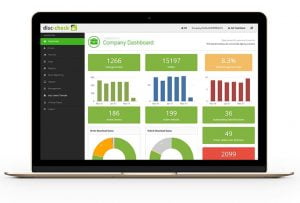
Most analysis software will have a dashboard to give you an overall view of the analysis and compare how your drivers are performing. From here you can drill down on a report for a more detailed look.

disc-check-dashboard

Working Time

Your analysis software will also provide you with a system to manage working time. By using drivers’ hours from the tacho data you can enter statutory holidays and any other work that is carried out not recorded by the drivers’ card.

Debrief

A debrief system is a configurable points-based system that helps you spot repeat infringements and advise on what corrective measures to take. The debrief system also provides a process for the escalation of disciplinary matters. This is a great way to identify and reduce repeat infringements.

As with the dashboard overview, debrief systems are included with most driver analysis software.

Smart tachographs

Vehicles registered for the first time on or after 15 June 2019 now have to be fitted with the new smart tachograph. The aim is to reduce the administrative burden on the transport industry (covering both HGV and PCV) and to eliminate the most serious forms of tampering or offence.

Smart tachographs include GPS for positioning and vehicle tracking, remote enforcement capabilities and the ability to link the units to vehicle telematics.

TachoSYS digiDL

TachoSYS digiDL for automation

I don’t have any affiliation with TDi Disk Check, I just use Logistics Support Services for their tacho services and think they’re brilliant, so worth a mention. You can reach them here.

TMconsultant provide transport manager help for transport managers. If you would like to know more about any of our services, please don’t hesitate to get in touch. We’re here to share the knowledge!


EU Drivers Hours changes 2020

What exactly are the EU Drivers’ Hours changes 2020?

So what exactly are the EU Drivers’ Hours changes 2020? The amended EU Drivers’ Hours Rules (Regulation EU 2020/10454) introduced on 20 August 2020, additional rules now allow a driver to exceed their daily and weekly driving time, in certain circumstances.

Previously under Article 12 EU Regulation 561/2006 a driver has been (and still will be) permitted to depart from the rules on daily driving time, weekly driving time, the 90-hour two-week driving limit, rests and ferry rests “to the extent necessary to ensure the safety of persons, of the vehicle or its load”…

  1. So long as road safety is not jeopardised, and….
  2. To enable the vehicle to reach a suitable stopping place.

In order to qualify for any relaxation under this rule, the driver must record manually on the tachograph chart of a digital print out (or on a duty roster) the reason for this, this must be done at the latest on arrival at the suitable stopping place. If this recording requirement is not complied with, then the relaxation simply does not ‘engage’ or apply so, rest/driving time offences will have been committed if the normal maximum limits are exceeded.

The new rule

The following further relaxations are now possible under the new EU Drivers’ Hours changes 2020 and again ‘provided that road safety is not thereby jeopardised and in exceptional circumstances’.

  • To exceed daily and weekly driving time by up to one hour in order to reach the operating centre or the driver’s place of residence to take a weekly rest period (NB either type of weekly rest)
  • To exceed daily and weekly driving time by up to two hours so long as an uninterrupted break of 30 minutes is taken immediately prior to the additional driving, again to reach the operating centre or the driver’s place of residence, to take a regular weekly rest period. (NB applies only to regular weekly rest).

This is only ‘in exceptional circumstances’ and hence cannot be routinely used as a means to circumvent the normal rules. This applies to daily driving time, weekly driving time and daily rest periods.

The driver must manually record this on the tachograph chart or digital printout at the latest on arrival at the destination or the suitable stopping place.

NB Where any period has been extended it has to be compensated by an equivalent period of rest attached to any other rest period by the end of the third week following the week in question.

To summarise

The existing ability to reach a stopping place remains, to ensure the safety of persons/vehicles/load. However, it is extended in exceptional circumstances for the purpose of drivers reaching the operating centre (“the operator’s operation centre”) or the driver’s home for weekly rest purposes.

TMconsultant – Transport Manager Help for Transport Operators, get in touch!

External Transport Manager Finder Service

External Transport Manager Finder Service

Connecting Operators with External Transport Managers

What is the External Transport Manager Finder Service?

The External Transport Manager Finder Service from TMconsultant connects operator licence holders with qualified and vetted External Transport Managers across the UK.
We handle the entire process, search, vetting, and introduction, helping operators stay compliant with the Office of the Traffic Commissioner’s requirements.


How does the ETM Finder Service work?

  1. Complete the form: Fill in the enquiry form on this page.

  2. Make payment: We’ll raise an invoice for the Placement Fee, which is equal to the first month’s rate based on your OCRS category.

  3. We find your ETM: TMconsultant searches for a qualified External Transport Manager local to your operating centre.

  4. Introduction: We connect you both so you can discuss the role and agree terms directly.

TMconsultant remains available after placement for ongoing advice and after-sales support, ensuring a smooth and compliant working relationship.


How much does the External Transport Manager Finder Service cost?

The cost of an External Transport Manager depends on your Operator Compliance Risk Score (OCRS) and the number of vehicles listed on your Operator Licence.

Operator StatusFirst Vehicle (per month)Each Additional Vehicle
Green Operators (or new operators)£450.00£100.00 per vehicle
Amber Operators£550.00£100.00 per vehicle
Red Operators£650.00£100.00 per vehicle

A one-off Placement Fee, equal to the first month’s rate, is payable before we begin the search. This covers the time and administration involved in sourcing, vetting, and introducing a qualified ETM.

Once the ETM is appointed, they will charge their agreed monthly fee from the end of the first month of engagement onwards.

For a detailed breakdown, visit our External Transport Manager Prices page here.


How many hours should an External Transport Manager work?

The time a Transport Manager must devote depends on the size of your licence. The Senior Traffic Commissioner’s guidance recommends:

Number of Vehicles AuthorisedRecommended Minimum Hours per Week
1 – 2 vehicles2 – 4 hours
3 – 5 vehicles4 – 8 hours
6 – 10 vehicles8 – 12 hours
11 – 14 vehicles12 – 20 hours
15 – 29 vehicles20 – 30 hours
30 or more vehiclesFull time (around 36 hours or more)

These figures are guidance only and may vary depending on your operation’s scale, compliance record, and the type of transport work undertaken.


Who are your External Transport Managers?

Our ETMs are dedicated, like-minded professionals who value compliance and road safety above all else. They are part of our growing ETM network, offering their expertise and consultancy services on a part-time basis.

Our database includes both highly experienced ETMs and newly qualified professionals who have recently achieved their Certificate of Professional Competence (CPC) for Transport Managers. All ETMs are fully qualified, up to date on compliance rules and regulations, and vetted prior to placement.


Why use TMconsultant?

Choosing TMconsultant means working with a trusted, established compliance specialist. We have over 10 years of experience supporting operators with operator licence management, DVSA compliance, FORS Help and Transport Manager placement.

  • Proven expertise – We understand what Traffic Commissioners expect and match you with ETMs who meet those standards.

  • Nationwide coverage – We maintain a large network of qualified ETMs across the UK.

  • Vetted professionals – Every ETM is background-checked, qualified, and up to date on transport compliance.

  • Ongoing support – We don’t disappear after placement. Our team is on hand for continued guidance and practical advice whenever you need it.

  • Compliance confidence – Using TMconsultant gives you peace of mind that your operation remains fully compliant with DVSA and Traffic Commissioner requirements.


If you would like more information or would just like to chat, feel free to get in touch.

*terms and conditions apply


Book your FORS Bronze on-site audits

Book your FORS Bronze on-site audits

It is now possible to book your FORS Bronze on-site audits! Members whose accreditation has expired, or is expiring, are encouraged to book and undertake their Bronze on-site audits as soon as possible providing they are able to follow the FORS COVID-19 rules and requirements and relevant government guidelines.

One hundred and forty Bronze on-site audits have already been booked since the re-opening of the Bronze audit booking system last week following the easing of government restrictions on travel and work across parts of the UK. To enable Bronze on-site audits to resume safely, FORS has produced COVID-19 Bronze on-site auditing rules and requirements for both the auditors and the auditees.

FORS operators requesting an audit will need to have carried out a COVID-19 risk assessment in line with the relevant government guidance on working safely during COVID-19 in offices and contact centres. In addition, for the purposes of the FORS audit, members will need to confirm the following at the time of requesting the audit:

  1. That a single and only point of contact will be provided for the audit process
  2. That clear guidance on the social distancing and hygiene measures in place at the audit site will be provided to the auditor
  3. That any PPE identified in the FORS member’s risk assessment will be provided to the auditor on the day of the audit
  4. That the audit will be conducted in a well-ventilated designated room that is not occupied by other people
  5. That all evidence will be provided in the room where the audit is taking place
  6. That hand sanitiser will be available in the meeting room
  7. That host responsibilities relating to COVID-19 will be established by the member and that any necessary training will be provided for the person who will be acting as host for the auditor’s visit
  8. That entry and exit routes for visitors and contractors have been reviewed to minimise contact with other people

Failure to have a COVID-19 risk assessment and to adhere to one or more of the above requirements means that the member cannot request a Bronze audit. Auditors reserve the right to cancel an audit during the pre-check call or on the day of the audit if it becomes apparent that one or more of the above requirements will not be met.

Members can request their Bronze on-site audit in the usual way, via their dashboard. For further information on the COVID-19 Bronze on-site auditing process, click here, and for answers to frequently asked questions, click here. Whilst FORS has based its requirements and processes on information issued by the UK government, the FORS document is applicable to England only and there are still regional, national and international restrictions that apply which may continue to prevent FORS audits being undertaken.

Need help with FORS?

TMconsultant offer a no-fuss, easy, and affordable FORS Help solution to help you attain your FORS accreditation. Go here for more information or get in touch! Here to share the knowledge!

FORS Bronze Help

Need help with FORS Bronze? Our FORS Bronze Help service offers two flexible options: a DIY package with access to technical support, and a support package that includes additional guidance via phone, email, and access to our expert knowledge base. Both are designed to help you meet the FORS Bronze standard with clarity and confidence. Explore the options below to see which is right for your business.

FORS Help DIY VS7.1
£399 + vat

Policy & Procedural Templates

Download Risk Assessment Templates

Download Forms and Declarations

Download Helpful Tools

Product & Tech Support

FORS Help Support VS7.1
£599 + vat

Everything in the DIY package plus.....

Phone & e-support from start to pass.

Prefer to talk to someone?

Get in touch, we’re here to share the knowledge!