operator licence

How to apply for an Operator Licence

(2018 revised post). I often get asked “How do I apply for an operator licence” and questions relating to the application process. This is mainly because it can seem like a daunting prospect as there are many detailed aspects to the process, which will need thoughtful consideration. There are many pitfalls and if you don’t get it right first time, could delay the granting of the licence or worse, the application could be rejected. It’s also worth noting (nearly) all applications must now be carried out online, with very few exceptions. As information prior to application is now almost nonexistent, here is my helpful guide on how to apply for an operator licence and (to hopefully) speed up the process for you.

Step 1. Get it together, be prepared

Ensure you have all the requisite information/documentation required before you start the application. For an overview of the vehicle operator licensing system and to ensure you are applying for the correct licence, you can view/download a copy of the GV74 guide here. This is dated 2011 and makes references to ‘vosa’. Don’t be put off as the information is still relevant.

Specifically you will need:

  • Forms/Information
    • Main application (old GV79 form)
    • Advertisement (old GV81 form)
    • Transport Manager (old TM1 form)
    • Current financial levels – See below but ensure you view the online guidance as this is where most applications can fail
    • Scale of fees – so you know how much to pay
    • Signed maintenance contract
    • Supplementary environmental information.
  • Guidance notes – All guidance (old GV79G, old TM1G) is now online see Step 2
  • Contact Information – This is the main person dealing with the application. They must be available to be contacted during the weeks after the application has been submitted
  • Contact address – This is the address used for correspondence. It can not be a PO Box or third-party address and must be an address in Great Britain
  • Establishment address – This is the address in which the business keeps its core business documents, specifically relating to the operator licence. This can be the same as the contact address
  • Company information – What is your trade and are you a Limited Company, Sole Trader, LLP, partnership, sole trader etc. You will need to provide company information as it appears on the Companies House website. You will also need to provide names and date of birth of all Company Directors
  • Type of licence – Do you require a Standard, Standard International or a Restricted Licence? Click here for more information on types of licence
  • Transport Manager – If you are applying for a standard or standard international operator licence, you will need to employ the services of either a full-time or external transport manager to demonstrate professional competence. The old TM1 form is now part of the online process. You will need the TM1 form and guidance notes (included in the online version) and your TM’s original CPC certificate. Restricted licence holders do not need to employ the services of a transport manager. However, I can not stress the importance of ensuring you do at least have access to professional advice and or consider employing the services of a professional consultant. It is worth noting that where compliance is concerned, restricted licence holders are subject to exactly the same legislation as standard licence holders. If you in need of a transport manager, do get in touch as we can help you find one.
  • Vehicles – How many vehicles and trailers are you going to use? If you’re planning to expand the business in the not-to-distant future, it may be worth adding in a margin. You’ll also need the details of your vehicles if you know them. If you’re hiring/leasing for more than one month you will still need to provide the vehicle(s) details, if you have them
  • Safety inspections – You’ll need to state the maximum number of weeks between safety inspections, and details of who will be carrying out the inspections. There are a number of factors to consider here. What will the annual mileage be, what kind of work will the vehicles be subjected to. If you’re unsure get advice. You’ll need to get a signed contract between you and your supplier if you are out sourcing your maintenance
  • Operating centre details – This is where your vehicles and trailers will normally be kept. You must ensure that you have enough off-street parking spaces at your operating centre(s) for all of your vehicles and trailers. You will need to state whether the premises is owned by you, leased or rented. If rented or leased you’ll need to get a letter of permission from the landlord
  • Advertisement – You will need to advertise your intentions via a local paper. Make sure you use the correct format and wording. This will be at your expense, usually around £300 to £450
  • Financial evidence – You need to show the traffic commissioner that you have sufficient financial resources to maintain your vehicles and run your business. Make sure you provide original evidence of financial documentation. Note the rates change every January! This is very detailed by nature so familiar yourself with the guidance to ensure you get this right first time
  • Previous licences – Gather information relating to anyone named on the application (including partners, directors and transport managers) who:
    • Currently or have previously held a goods or public service vehicle operator’s licence in any traffic area
    • Has had a licence refused, revoked, suspended or curtailed in the EU
    • Have attended a Public Inquiry before a traffic commissioner
    • Have been disqualified from holding or obtaining an operators licence by any traffic commissioner
    • Within the last twelve months, have you, your company or organisation or your partners or directors purchased the assets or shareholding of any company that, to your knowledge, currently holds or has previously held an operator’s licence in any traffic area
  • Convictions – Get information and background details on anyone named or has any connection with the application who has been convicted of any relevant offence. So that’s partners, directors, transport managers, any company named on the application, parent company if you are a limited company or any employees or agents
  • Payment information – You can pay by card online or by cheque/postal order and card via the paper version. You’ll need the signature of who the person paying. For current rates, you will need to either request them from the central licensing office or start the online application.

Step 2. Apply for your operator licence

It is now only possible to apply for your operator licence online. However, under certain circumstances, it is possible to apply using the old paper version. That is if you don’t own a computer and or you are unable to use a computer. If you do want to apply using the paper version make sure you use the most up-to-date versions of the GV79, GV81 and TM1 forms. The only way to do this is to call the central licensing office (DVSA) on 0300 123 9000 and request the requisite documentation.

To apply online go to the .gov.uk website here and follow the instructions. It’s actually very intuitive and easy to use. It’s in pretty much the same format as the old GV79 form with all the same criteria, just online. You can pay the fees and upload all the requisite documentation, all from the comfort of your computer. Signatures are still required, the difference being it will be an ‘e’ signature. You will need to register with GOV.UK Verify first to be able to complete this part of the application.

Step 3. Complete the operator licence application

For the online application, you’ll need to register with the Government Gateway. You’ll also need to register with gov.uk Verify which is a way to prove who you are online for online signatures. Make sure you have all the requisite documents beforehand, see Step 1. Once you have completed the form, there will be an online checklist and paper applications will be included on the GV79.

Check list

  • You have completed all applicable questions on the form
  • You have checked that the declaration is signed and dated by an authorised person
  • You have provided the whole page of the newspaper for each advertisement placed. The date and the full title of the newspaper are shown on the page holding my advertisement
  • You have provided original financial evidence. You understand that photocopies are not acceptable
  • You have enclosed a cheque or provided payment details to cover the application fee and you understand that this fee will not be returned, even if the application is withdrawn or refused.

All applicants for either a Standard National or International operator licence must supply the following information.

  • Original Certificate(s) of Professional Competence in Road Haulage Operations or evidence of qualification(s) giving exemption, for all Transport Managers listed on the application
  • Completed and signed the online TM1 form for all Transport Managers listed on my application. You may need to supply the following information depending on your answers some of the questions.

Depending on your answers to these questions further information may be required for some applicants.

  • You answered stating that an external contractor would carry out the safety inspections for the licence and you have enclosed a copy of the maintenance contract with that contractor
  • You answered ‘Yes’ to part regarding insolvency and have enclosed the relevant documentary evidence of the relevant insolvency history
  • You answered ‘Yes’ regarding convictions and have enclosed full details of the background circumstances of all convictions declared.

Step 4. Undertakings and Declaration

You will need to read and digest the operator licence undertakings. Once understood you can sign the declaration. This must be either the owner, partner or director. As mentioned for the online system, you’ll need to prove who you are via the gov.uk Verify service as well.

I have provided these below so you have a prior understanding of an operators’ responsibilities.

Operator Licence Undertakings

I understand that by signing the application I am accepting the undertakings below; that they will be recorded on the licence; that failure to comply with the conditions or undertakings recorded on the licence may result in the licence being revoked, suspended or curtailed; and that failure to comply with these conditions is also a criminal offence.

  • The laws relating to the driving and operation of vehicles used under this licence are observed
  • The rules on drivers’ hours and tachographs are observed, proper records are kept and that these are made available on request
  • Vehicles and trailers are not overloaded
  • Vehicles operate within speed limits
  • Vehicles and trailers, including hired vehicles and trailers, are kept in a fit and serviceable condition
  • Drivers report promptly any defects or symptoms of defects that could prevent the safe operation of vehicles and/or trailers, and that any defects are recorded in writing
  • Records are kept (for 15 months) of all driver reports which record defects, all safety inspections, routine maintenance and repairs to vehicles, and that these are made available on request
  • In respect of each operating centre specified, that the number of vehicles and the number of trailers kept there will not exceed the maximum numbers authorised at each operating centre (which will be noted on the licence)
  • An unauthorised operating centre is not used in any traffic area
    Furthermore, I will notify the traffic commissioner of any convictions against myself, or the company, business partner(s), the company directors, nominated transport manager(s) named in this application, or employees or agents of the applicant for this licence and, if the licence is issued, convictions against the licence holder or employees or agents of the licence holder
  • I will ensure that the traffic commissioner is notified within 28 days of any other changes, for example a change to the proposed maintenance arrangements; a change in the financial status of the licence holder (e.g. if placed in liquidation or receivership), or a change to Limited Company status or partnership, that might affect the licence, if issued.

Step 5. Get it checked

I can not stress the importance of getting a second set of eyes to check over your application for an operator licence. The devil is in the detail and you simply can’t afford to leave anything out. This could be a colleague who understands transport or if it’s just you, you could use the services of a professional consultant.

Step 7. Interim or not

It is possible to apply for an interim licence. This means you can operate in the interim while your application is in process. However, it is worth noting that your application will need to essentially be ‘pre approved’ for the interim to be granted. So, if there are any complications or question marks regarding the main application, it is unlikely an interim licence will be granted.

Step 6. Apply (send)

For the online system, once you have completed the above steps, just click to send. For the paper version, collate all your documents and importantly do make sure you send your operator licence application via ‘signed for’ post or special delivery.

Remember, if you do not send all the information needed it will lead to a delay in the granting of the licence, or the application could even be refused.

Top tips

Finances
  • Make sure your financial evidence is in the name of the applicant or licence holder
  • Provide original documents with your application
  • If you’ve only just opened your account, get an opening statement from the bank showing the required level of money for your licence
  • Make sure you have enough surplus finances to support the number of vehicles you have applied for
Operating Centre and Maintenance
  • If you don’t own the site, get written permission from the person who does
  • Make sure your advert is published in a newspaper that can be purchased in the area where your operating centre is located
  • Check the advert wording is correct before sending it off to the newspaper
  • Make sure your advert is placed in the newspaper within the required timescale
  • If maintenance isn’t in house, then complete a formal contract signed by you and the contractor
Transport Manager
  • Make sure your transport manager’s original CPC is provided with your operator licence application. It will be returned
  • Complete the TM1 form with your transport manager
  • If your transport manager will be specified on more than one licence, set out how they will meet all their responsibilities in a separate letter. This will need to include:
    • Days and intended time spent visiting each operating centre
    • How they will travel
    • Addresses and distance to travel
    • Duties to be carried out
    • Detail any other work including how much time is spent on said work
    • If there is a TM assistant carrying out day to day duties. How the duties are distributed. If the assistant is qualified, make sure you sent the original version of their TM CPC certificate. This will be returned.
Previous history
  • Tell the Traffic Commissioner about any operator licences you’ve previously held or been involved in
  • Make sure you disclose any adverse financial history of other businesses you’ve owned (not just transport)
  • Tell the Traffic Commissioner about any convictions and penalties for you or the business

Main reasons for delays and rejections

  • Forms not being completed in full (including TM1 from for standard applications)
  • Incorrect information on forms
  • Incomplete documentation
  • Financial standing not being met
  • Maintenance contracts not being submitted
  • Not submitting further information relating the TMs other work
  • Not declaring any insolvency or conviction history. They will check!

In conclusion

In conclusion, make sure you have all the required information and you have the correct information ready for your application of your operating licence prior to your application. Make sure you have the correct types of documentation, be methodical and get it checked!

For further reading and information, I have complied the definitive list of .gov and DVSA downloadable guides and forms.

Need a Transport Manager or an External Transport Manager?

Here at TMconsultant we hold a database of transport managers covering the whole of the UK. So if you’re in need of a transport manager, simply complete the employers application form. We also provide all the requisite policy manuals, forms, and tools to get a new operator up and running which you can find in our shop. Alternatively just get in touch! Here to share the knowledge!
 

Operator License Application

Operator Licence Application Help

Navigate the licensing process effortlessly with our expert Operator Licence Application Help service

At TMconsultant we undertake your new operator licence application on your behalf before sending your application to the Office of the Traffic Commissioner. We can also help with licence variations and changes current operator licence.

Our expert team is well-versed in both the online operator licence application process and the traditional paper/post system. Regardless of the chosen method, our primary objective is to ensure the thoroughness and accuracy of your application. We provide comprehensive support throughout the entire process, including completing the application form, organising all supporting documents, conducting thorough proofreading, submitting the application and managing correspondence on your behalf.

Do I need an Operator Licence?

If you intend to operate vehicles over 3,500 kg gross vehicle in weight (GVW) in the UK, or you intend to operate vans with a maximum authorised mass (MAM) over 2,500kg (2.5 tonnes) and up to and including 3,500kg (3.5 tonnes) in the UK and EU you will need an operator licence.

For vehicles that will be used to carry goods on public roads for trade or business purposes, operators will need one of three types of operator licence. This includes short-term rental vehicles hired for as little as one day.

What type of Operator Licences are there?

Standard national licence

This licence means you can carry:

  • Your own goods in the UK and internationally
  • Other people’s goods in the UK

You can also take loaded trailers to or from ports within the UK as part of an international journey, as long as your vehicles do not leave the country.

Standard international licence

This licence means you can carry your own goods, and other people’s goods, both in the UK and on international journeys.

After you get a standard international licence, you can also request the issue of a UK Licence for the Community. A UK Licence for the Community allows:

  • Trips between all EU countries
  • Transit traffic through EU countries
  • Cabotage (a journey entirely within one EU country)

Restricted licence

This licence allows you to carry your own goods, but not other people’s goods.

Your licence will continue to be valid as long as you pay your continuation fee every 5 years and operate within the terms of your licence. You’ll be contacted every 5 years to make sure that your licence shows the correct information.

Contact the Driver and Vehicle Standards Agency (DVSA) if you have any questions about vehicle licences.

Standard (International) for Light Goods Vehicles

Permits businesses who use light goods vehicles between 2.5 and 3.5 tonnes to carry goods for hire or reward within the European Union. If you are unsure about whether you need an operator licence to run a van, you can read our blog here.

Do I need a Transport Manager?

For Standard National or International Operators License applications, it is necessary to designate a Transport Manager as an integral part of your operator application. If you haven't yet appointed a Transport Manager or are uncertain about the specific requirements, we are here to offer guidance. Our team can provide comprehensive information on the necessary criteria and assist you in appointing a Transport Manager through our dedicated Transport Manager Finder service. Feel free to reach out to us for the assistance you need.

How much does it cost?

Our services come with a straightforward pricing structure. For new Operator Licence applications or major changes, we offer a flat fee of £375.00 + VAT. Additionally, we have a special offer where you can enjoy a 20% reduction in the price of our comprehensive Compliance Pack. This pack includes policies & procedures, providing comprehensive resources, tools and guidance to ensure your compliance with regulatory requirements.

Also, when applying for a goods vehicle operator’s licence, you will need to pay additional government fees including:

  • A one-off fee payable for new applications or major changes - £257.00
  • A fee for the issue of a licence - £401.00
  • A fee for the issue of an interim licence (if applicable) - £68.00
  • A continuation fee every 5 years to keep your licence active - £401.00

What else do I need?

  • You will need an operating centre. Somewhere to park your vehicle(s) overnight
  • A correspondence address if different from your operating centre address
  • An advert in your local paper to inform the area you are applying for an operating licence. We will help you with this, however, there will be a cost of around £200 payable to the publication
  • Enough money you can get ready access to. Please see the current rates below for financial standing

How long will it take to get my operator licence?

The Operator Licencing process typically takes approximately nine weeks. However, if you're in a hurry to commence operations, it may be advisable to consider applying for an interim licence. An interim licence serves as a temporary solution to facilitate your operations during the application process. Rest assured, we are here to assist you throughout this process as well. It's important to note that the speed at which an interim licence is granted depends on the completeness and accuracy of the main application. Therefore, ensuring that your main application is comprehensive and error-free is crucial for expediting the interim licence approval process.

What we will do for you!

  • Give you advice on the type of Licence required
  • Completion of the necessary GV79 application form either via the online or paper/post version and interim applications
  • Completion and advice regarding the TM1 form if required (Standard and International Licenses)
  • Provision of the necessary contract for external transport managers (if you need to appoint a transport manager, we can help click here for details).
  • Preparation of maintenance agreement
  • Preparation of operating centre usage consent letter (if using a third-party premise)
  • Provision of the correct newspaper article with correctly worded public notice
  • Proofreading/checking all required documentation
  • Liaison with the Traffic Commissioners Office during the application process
  • After-sales advice and support.

What are the current rates for financial standing?

As of 1st January 2020, the rates for a Standard Licence application are:

First Vehicle£8,000
Additional vehicles£4,450

For a Restricted application, they are:

First Vehicle£3,100
Additional vehicles£1,700

Why is financial standing important to my application?

You will be required to show evidence that you have the required funds within your business to cover maintenance and any unforeseen costs that may arise whilst running your fleet of vehicles. This money can be shown as an average balance in your bank account over several months, savings or an agreed overdraft facility.

Why use us?

One of the major causes of delays in the granting of applications is errors in the application itself, incorrect submission of supporting documents, or issues with the Transport Manager application. By utilising our services, we proactively address these concerns prior to submission, ensuring a smooth and seamless application process. Your application will undergo meticulous scrutiny, minimising the chances of any complications or setbacks. Our primary goal is to make your Operator Licence application hassle-free, allowing you to concentrate on the core aspects of running your business.

Important information

Please be advised that not disclosing convictions, bankruptcies, directorships of companies in liquidation, administration, or receivership, as well as any past or present involvement with an Operator License, may impact the decision regarding license approval. Failure to provide this information or any discovery during the application process may absolve TMconsultant of responsibility for a denied application or if the application is subjected to a public inquiry. Any subsequent inquiries or discoveries stemming from the initial assessment are also subject to this disclaimer.

We will support with both initial and secondary requests from the OtC. However, any inquiries pertaining to a preliminary hearing or public inquiry beyond the second request for evidence are not within our contractual obligations. We provide application assistance services only and do not provide legal advice. The client assumes full responsibility for all information submitted to the OtC.

Get Started

Ready to get started? Just complete the form and one of our consultants will get back to you shortly.

Contact Us

If you would like to discuss your options regarding Operator Licence Applications, don't hesitate to get in touch. We're here to help you navigate the complexities of regulatory compliance, minimise risks, and ensure the ongoing success of your business. However, if you're ready to go ahead, just complete the form and one of our consultants will get back to you shortly.

Please complete the form below and one of our consultants will get back to you shortly.

Consultation on regulations for alternatively fuelled vans

Consultation on regulations for alternatively fuelled vans

Forward post from DVSA

Consultation on regulations for alternatively fuelled vans

On 26 July 2017, the Department for Environment, Food and Rural Affairs (Defra), along with the Department for Transport (DfT), announced its plan to help reduce roadside nitrogen dioxide concentrations.

The plan includes a consultation asking for your views on proposed changes to regulations for vans and light commercial vehicles.

As part of the proposed changes, van drivers will be able to operate heavier electric or gas powered vehicles without having to apply for a new licence. The changes also include whether the VAT exemption for electric vans should be removed.

Find out more about how the proposed changes will work and give your views by 18 October 2017.

link2london grab hire pass fors audit

Link2London Grab Hire pass FORS Bronze standard audit

Congratulations! Link2London Grab Hire pass their FORS Bronze standard audit

Link2London Grab Hire pass FORS Bronze standard audit! This was a re-audit for Link2London Grab Hire and what a fantastic achievement and is testament to their commitment to compliance and helping to make London's roads safer.

I have worked with Link2London Grab Hire for a number of years now so it was not a problem to ensure they were ready for the audit. I provided my support in the form of the TMconsultant Operator and Driver Handbooks, all the requisite documentation and advice.

A few words from the MD.....

"I would like to thank Nick from TMconsultant very much for all the hard work and dedication to Link2London Ltd. We just couldn't do this without him!"

Thank you Lucian, as always it is a pleasure to work with you.

If you need any advice or FORS help, then just get in touch. TMconsultant, here to share the knowledge!

link2london fors certificate 2017-18

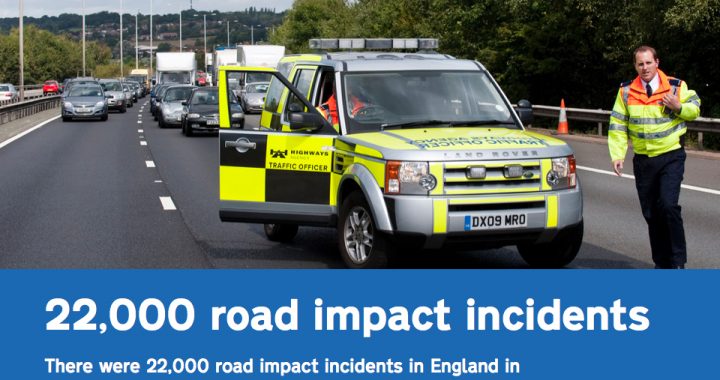
load securing guide-22000-road-impact-incidents

DVSA publishes new load securing guide for vehicle operators

DVSA publishes new load securing guide for vehicle operators. New guidance has been published by the Driver and Vehicle Standards Agency (DVSA) to help vehicle operators transport loads securely. This is a very comprehensive new guide which is easy to read and very useful. It also contains great new DVSA films posted in youtube.

The guide, developed with the transport industry, sets out important information like:

  • who’s responsible for load securing
  • the consequences of poor load securing
  • how DVSA enforces the rules on load securing

It gives practical advice about:

  • loading on different types of vehicles
  • carrying different types of loads

The guide includes videos so operators can find out things like:

  • what DVSA looks for when it stops a vehicle at the roadside
  • how different load securing systems can be used

The new load securing guide can be used by fleet operators to help meet requirement V6 Safe loading in the FORS standard which states “Fleet operators shall ensure that vehicles are safely loaded and that appropriate load restraints are used.”

To view the full article, please click here

Reis Grab Hire pass FORS Bronze standard audit

Reis Grab Hire pass FORS Bronze standard audit

Congratulations Reis Grab Hire who pass their FORS Bronze standard audit

Reis Grab Hire pass FORS Bronze standard audit with ease! A great achievement and is testament to their commitment to compliance and helping to make London’s roads safer.

Reis Grab Hire purchased the FORS help documents package with TMconsultant’s assistance passed their FORS Bronze standard audit with no advisories or major action points. We created a to do list based on the information gathered and carried out a catch up once a week to ensure Reis Grab were on track. We were also present during the audit, to further assist our client on the day. We started work on 6th February and the audit took place on 24th March 2017.

A few words from the MD…..

“REIS GRAB HIRE LTD, would like to thank TMconsultant represented by Nick for the amazing work he’s done in guiding us and helping us to obtain the FORS BRONZE accreditation..”

Many thanks to Sebi, a pleasure to work with you.

If you need any advice or FORS help, then just get in touch. TMconsultant, here to share the knowledge!

clarks-of-amersham-fors-help

Clarks of Amersham pass FORS Bronze standard audit

Big congratulations! Removal and storage specialists Clarks of Amersham pass FORS Bronze standard audit with flying colours in one month! This is a massive achievement and is testament to their compliance commitments.

Most of the help was carried out remotely with the assistance of Chiltern Development Training who assisted on site. With a driver training day, telephone and email support prior to the assessment Clarks demonstrated their commitment right from the start. They applied themselves from the outset taking on board all the advice and guidance necessary to pass their FORS audit first time, which took place on 12th January 17. So that’s just over 4 weeks to gain their Bronze award!

A few words from the MD…..

“At Clarks of Amersham we constantly strive to improve our customer service and as such need to keep our staff trained and motivated. This is not always the easiest of tasks and often difficult to deal with in house, so we decided to employ the services of an outside agency. After reviewing several companies we elected to go with TM Consultants. This has proved to be a great choice for our business. They have helped us re-write policies and manuals keeping us bang up to date with the latest legislation. They have even helped us to obtain the FORS bronze standard, something we could not have achieved without their input. We look forward to working with them further in the coming months and years.”

Many thanks to Michael and the team, it was a pleasure working with you and looking forward to the future.

If you need any advice or FORS help, then just get in touch. We’re here to share the knowledge!

FORS audit

Left it too late to prepare for your FORS Audit?

Left it too late to prepare for your FORS Audit?

I get many enquiries from potential clients who feel they may have left it too late to prepare for their FORS Audit. Obviously, I would never advocate this kind of action plan as with some cases it may mean re-booking your audit. FORS are generally very fair and look at each case individually but leaving too late will probably not stand up. You’ll also need to pay the audit re-booking fee. Depending on fleet size, this can be quite substantial especially when having to paying twice. It’s also worth pointing out that unless you book your FORS audit within a three month period, you’ll also be liable for re-registering and paying the associated costs.

For a full breakdown of what FORS costs, go here

What you can do if you’ve left it too late to prepare for your FORS Audit?

If you have left it too late to prepare for your FORS audit, then depending on the time frame, will depend on what you can do. Obviously, the longer you leave it the more limited your options are but it’s not impossible to reach a favourable outcome, if you’re prepared to put in the time and effort.

So the question is what do you need to do?

Well, firstly don’t panic! It is understandable to feel overwhelmed when you approach the Standard. Along with all the other tasks you have to carry out for your job, you would be forgiven for feeling a little stressed. The great news is the Standard is actually your friend. I know what? Because it has been set out in a very simple and measured way it is designed to help you as much as possible. You will also need to address the guide as this sets out what you need to show as evidence to the auditor.

Ok so you have your Standard and the guide to go with it. Now just work your way through, step by step tackle each task. The biggest hurdle to tackle first is your policies and procedures manual. You should already have an exiting document which you can adapt. If you don’t you can find a FORS ready template here. If you are using a template then work through methodically using the standard and guide and ensure the document is company specific.

It might be a good idea to consider employing the services of a consultant who specialise in helping operators achieve their FORS accreditation. They will identify any shortfalls quickly and provide a realistic time line and action plan for you to follow. They will help you speed things up but it still up to you to ensure all the tasks are completed.

If you think you’ve left it too late to prepare for your FORS Audit then get in touch, I may be able to help. Here to share the knowledge!


Transport Manager Costs

Simple & Transparent Pricing

We keep our External Transport Manager costs simple and transparent so you know exactly what you will be paying per month. Prices start at just £189.00 for Restricted Operators and £450.00 for Standard Operators.

GREEN OPERATORS (or new operators)
£450.00 for the first vehicle per month
Plus £100.00 per additional vehicle on the licence
AMBER OPERATORS
£550.00 for the first vehicle per month
Plus £100.00 per additional vehicle on the licence
RED OPERATORS
£650.00 for the first vehicle per month
Plus £100.00 per additional vehicle on the licence

How can TMconsultant help?

Our ETM Finder Service connects Operators with External Transport Managers. The quick and simple service involves completing a simple form, making a payment, and then carrying out a search to find a suitable ETM near you. Once a suitable match is found, an introduction is made between you and the ETM.

External Transport Manager Finder Service

Connecting Operators with External Transport Managers

How many hours should an External Transport Manager work?

Below is the statutory guidance as to what might be expected in terms of hours worked by an external transport manager, relative to the maximum number of vehicles authorised for a licence. Remote working is acceptable, however, at least one monthly visit is necessary for an external transport manager to carry out their duties efficiently. For more information regarding the Senior Traffic Commissioner’s revised Statutory Guidance and Directions 3, go here.

ransport-manager-costs

external transport manager

The External Transport Manager and What You Need to Know

The External Transport Manager and What You Need to Know

The External Transport Manager, also known as ETM and often abbreviated as ETM, is an indispensable figure when it comes to ensuring compliance with legal obligations and upholding safety standards in the transportation industry. In this comprehensive blog post, we will delve into everything you need to know about the role of an ETM and the essential factors to consider before employing one.

What is an External Transport Manager?

An External Transport Manager is a designated contracted competent qualified professional who works part-time, usually for small to mid-sized operators. They ensure that your vehicles are roadworthy and your drivers comply with traffic and drivers’ hours rules. They must hold a Transport Manager Certificate of Professional Competence (CPC). The Transport Manager CPC is a Level 3 Qualification and is the minimum qualification required for holding an Operator’s Licence. This qualification requires the ETM to pass examinations and can cover both National and International operations.

ETMs are responsible to the wider public, through the Traffic Commissioner, to ensure that an operator is compliant. That is to say, if the Operator is not doing what the External Transport Manager is asking of them, they have a responsibility to inform the Office of the Traffic Commissioner (OtC).

What are the requirements for an External Transport Manager?

Let’s have a look at what the Senior Traffic Commissioner has to say in Statutory document no. 3: Transport Managers. “A designated transport manager must meet the requirements of Article 4 i.e; be of good reputebe professionally competent, and is not prohibited from acting as a transport manager by a traffic commissioner.

An ETM of ‘good repute’ is someone who is with a good reputation and is known to be honest, true, and forthright. The Goods Vehicles (Licensing of Operators) Act 1995, Schedule 3, states that “before an individual can be nominated as a transport manager on an operator’s licence they* themselves must be of good repute”. Traffic Commissioners have the power to remove an individual’s repute, so they can no longer fulfil the role of an ETM. Under paragraph 17B(2) of Schedule 3 (as amended by the Road Transport Operator Regulations 2011), “where a traffic commissioner determines that a transport manager has lost their good repute, the traffic commissioner must order the person to be disqualified from acting as a transport manager”. However, under certain circumstances, a traffic commissioner can also reinvoke a transport manager’s good repute.

Always check, when employing the services of an ETM their ‘good repute’ is still intact!

How many operators can an ETM work for?

The Senior Traffic Commissioner in Statutory document no. 3: Transport Managers states that “an individual is not designated to act in that capacity for more than 4 operators or be responsible for more than 50 vehicles or such smaller number as the traffic commissioner considers appropriate”.

Always check with your prospective ETM that they have enough margin to manage your operator licence. Further, the Traffic Commissioner will need to be satisfied the ETM can carry out their duties

Availability

The guidelines refer to starting points only and give indicative weekly hours of work which might be specified by a transport manager, but the traffic commissioner will consider all relevant factors in determining whether the starting points should be departed from. The level of hours required for any other employment, self-employment, or activities in which the proposed transport manager is engaged must also be taken into account as they may restrict their ability to devote sufficient time to the duties of a transport manager on any operator’s licence. The suggested amounts of time are a starting point as to what traffic commissioners might expect in terms of hours worked. They are intended as a prompt to operators/applicants and the nominated CPC holder to discuss what time is actually required.

TM1G statutory guidelines for the number of hours transport managers should work

Further, the Traffic Commissioner may also require information about the location of the operating centres for which a Transport Manager has responsibility, and whether travelling time will have an impact on thier ability to provide effective management. External Transport Managers should therefore include a breakdown of their working week at the point of application, including details of visits to the operating centres and of travelling time, as this may be requested.

How does employment work?

The operator and the ETM will have an initial meeting to discuss each other’s requirements. Once they reach an agreement, the operator will fill out a form on the online application. Subsequently, an email containing a link to the operator’s application will be sent to the ETM. The ETM must then complete the TM1 form, upload their TMCPC qualification, and, if required, provide evidence of their two-day refresher course. Additionally, at this point, the ETM must upload a cover letter explaining their other employment commitments and travel time to the operating centre.

TMs typically operate as independent contractors, and their services are billed on a monthly basis. Once both parties sign the agreement contract, their employment will commence.

Your ETM is expected to conduct site visits at least once a month to fulfil their responsibilities, especially during the initial stages of employment or if your Operator Compliance Risk Score is unfavourable. It is essential to maintain regular communication to ensure smooth operations, so keep the lines of communication open at all times. Additionally, you should have someone designated to handle day-to-day transport-related tasks.

Can an ETM be a volunteer?

No. Richard Turfitt (TC) pointed to a ruling made by the Upper Tribunal in 2015, stating that “a transport manager cannot be a volunteer as they often cannot establish a genuine link to the operator.

Beware of name-only ETMs

This is an ETM that offers their services without doing any of the work.

The Upper Tribunal has emphasised the “need for a proper, active transport manager is not a mere formality but a serious requirement.” 8 It follows that a transport manager should not be one in name only but should actively discharge their duty to exercise continuous and effective management.

If you find an ETM who offers their services in name only, then I would politely decline. Services in name compromise road safety and can also put your Operator’s Licence in jeopardy.

What should you be looking for when employing an ETM?

When selecting an External Transport Manager, several key factors should be considered:

  1. Qualifications: Ensure the ETM holds the appropriate TM CPC qualification, and if operating abroad, verify if they possess the International CPC qualification
  2. Good Repute: Confirm that the ETM maintains good repute, as it is a critical element of their credibility and trustworthiness
  3. Work Ethics and Experience: Consider the ETM’s work ethics and assess the additional value they can bring to your operations.
  4. Robust Policies and Procedures: Check if the ETM can provide pre-compiled, robust policies and procedures that can be immediately implemented. If they don’t you can purchase our compliance pack from our shop.
  5. Experience with FORS: If relevant, determine if the ETM has experience with the Fleet Operator Recognition Scheme (FORS)
  6. Frequency of Visits: Ensure the ETM commits to regular site visits to fulfil their responsibilities
  7. Cost: While cost is a factor, prioritise quality and expertise over the cheapest option

The Senior Traffic Commissioner has also identified some general indicators of effective transport management including:

Knowledge and skills – As indicated this requires more than just the formal qualification

Impact – Where the individual CPC holder is recognised as a key person within the organisation so that s/he can influence decisions relevant to compliance and authority to deal with external contractors. Their position should reflect the professional and personal responsibility vested in the individual

Decision making – Where the individual CPC holder is sufficiently close to drivers to be able to influence their behaviours and senior enough to influence the deployment of resources and to inform the decisions of the owner/directors/partners.

How experienced will the ETM need to be?

If you are a new Operator, a new ETM might be just the ticket as you can both grow together. A newly qualified ETM is always really enthusiastic and raring to go. If you are an orange or red operator, however, you will need a more experienced ETM who can offer a tried and tested more robust service.

Will I need someone in place to look after day-to-day duties?

Yes, you will. As your ETM won’t be with you full time you will need to have someone in place for running day-to-day duties on behalf of the External Transport Manager. You will need to work as a team to ensure you are compliant 100% of the time.

What are an External Transport Manager’s responsibilities?

The five key responsibilities include:

  1. Compliance: The primary responsibility of an ETM is to ensure that the Operator complies with all relevant laws and regulations. This includes keeping abreast of changes in legislation and implementing necessary adjustments to maintain compliance
  2. Driver Training and Management: ETMs are responsible for driver training and ensuring that all drivers are appropriately licensed and qualified. They also monitor driver performance and implement corrective actions when needed
  3. Fleet Maintenance and Safety: ETMs ensure that the Operator’s fleet is well-maintained and meets all safety standards
  4. Record Keeping: Accurate record-keeping is crucial in transport operations. ETMs maintain records of drivers’ working hours, vehicle inspections, maintenance logs, and other essential documentation
  5. Incident Management: In the unfortunate event of accidents or incidents, an ETM will handle the situation promptly and appropriately. This involves conducting investigations, reporting incidents to relevant authorities, and implementing preventive measures.

What are an External Transport Manager’s tasks?

The Senior Traffic Commissioner identified the following non-exhaustive list of the types of activity which would be expected of an External Transport Manager.

General Tasks

  • Manage and review compliance systems to ensure that they are effective
  • Address any shortcomings such as prohibitions and/or annual test failures
  • Ensure that relevant changes are notified to the Traffic Commissioner in accordance with operator licence requirements
  • Keep up to date on relevant changes in standards and legislation

Driver Admin

  • Ensure that drivers hold the appropriate licence for the vehicle they are driving (including non-GB vocational drivers from EU member states who are required to register their driving licences with DVLA within 12 months of being resident)
  • Ensure that regular checks are carried out on the drivers’ licences
  • Ensure that vocational drivers hold a valid driver CPC qualification (DQC)
  • Ensure that all driver hours records are kept for a period of no less than 12 months
  • Ensure that all working time records are kept for a period of no less than 24 months

Driver Management

  • Ensure compliance with driving hours rules (EU or Domestic Hours rules)
  • Ensure that drivers are recording their duty, driving time and rest breaks on the appropriate equipment or in drivers’ hours books and their records are being handed back for inspection as required
  • Where appropriate, download and store data from the vehicle digital tachograph unit. This should be at least every 90 days and from the drivers’ tachograph smart cards, at least every 28 days
  • Ensure that driver hours records are retained and are available to be produced during the relevant period
  • Ensure that records are retained for the purposes of the Working Time Directive (WTD) and that they are available to be produced during the relevant period
  • Ensure that drivers are adequately trained and competent to operate all relevant vehicles and equipment
  • Contribute to relevant training and subsequent disciplinary processes as required.

Driver Operations

  • Ensure that drivers are completing and returning their driver defect reporting sheets and that defects are recorded correctly
  • Ensure that all drivers and mobile workers take adequate breaks and periods of daily and weekly rest (as per the relevant regulations which apply).

Vehicle Admin

  • Ensure that vehicle maintenance records are retained for a period of no less than 15 months and are made available upon request
  • Ensure that vehicles are specified as required and that operator licence discs are current and displayed correctly
  • Ensure that vehicle payloads notifications are correct, height indicators are fitted and correct, and tachograph calibrations are up to date and displayed
  • Ensure that there are up-to-date certificates of insurance indemnifying company cars, commercial vehicles, and plant
  • Ensure a suitable maintenance planner is completed and displayed appropriately, setting preventative maintenance inspection dates at least 6 months in advance. This should include the Annual Test and other testing or calibration dates.

Vehicle Management

  • Ensure that vehicles and trailers are kept in a fit and roadworthy condition
  • Ensure that reported defects are either recorded in writing or in a format that is readily accessible and repaired promptly
  • Ensure that vehicles and trailers that are not roadworthy are taken out of service
  • Ensure that vehicles and towed equipment are made available for safety inspections, service, repair, and statutory testing
  • Ensure that safety inspections and other statutory testing are carried out within the notified O-licence maintenance intervals (ISO weeks)
  • Liaise with maintenance contractors, manufacturers, hire companies, and dealers, as might be appropriate. They also make certain vehicles and trailers are serviced in accordance with manufacturer recommendations

In addition to ensuring your compliance, the External Transport manager plays a vital role in reducing your fuel costs, assessing your current drivers’ Health and Safety policy status, and assisting with implementing training programs.

Where can I find an External Transport Manager?

An internet search is a good start and social media are good resources. You could also try our ETM Finder Service. This service connects External Transport Managers with Operators. We hold a comprehensive database of ETMs across the UK, so it is likely we can find someone near you. We will also ensure your ETM meets all the criteria we have looked at previously.

How much does an External Transport Manager cost?

For most reputable ETM suppliers, the rates start at £450.00 for one vehicle on the licence, plus £100.00 per additional vehicle per month.

Will there need to be a contract in place?

Yes, you will need an External Transport Manager Contract. This is a legally binding agreement between you and the External Transport Manager. The contract outlines the terms and conditions of employment and the roles and responsibilities of the ETM. You and the ETM will need a contract in place when completing the online TM1 form.

The contract should include the following:

  • Appointment/Termination
  • Duties
  • Fees, invoicing, and expenses
  • Confidentiality
  • Delivery up documents
  • Tax liabilities and indemnity
  • No employment
  • Data protection
  • Force majeure
  • Survival of causes of action
  • Severability
  • Waiver
  • Notices
  • Law and jurisdiction
  • The five key transport manager tasks in detail

You can purchase a template External Transport Manager contract from our shop.

How will an ETM implement our systems?

Conclusion 

The External Transport Manager plays a pivotal role in ensuring compliance and safety within the transportation industry. By carefully selecting an ETM who meets the necessary qualifications and exhibits strong work ethics, you can enjoy the benefits of smooth operations and reduced fuel costs. Keep communication lines open and collaborate effectively with your ETM and the designated personnel responsible for day-to-day tasks to maintain full compliance at all times.

Are you looking for an External Transport Manager?

Here at TMconsultant, our ETM Finder Service connects transport managers with operators. Every day external transport managers from all over the country join our database who are looking for work. Our ETM Finder Service takes the hassle out of the search process, connecting you with quality qualified ETMs.

Where can I get more information?

If you have any questions regarding the External Transport Manager, please do get in touch. Here to share the knowledge!

*I have changed the wording here from ‘he or she’ to ‘they’ to reflect the current use of non-binary pronouns.