TMconsultant Driver CPC Consortium

New members join the TMconsultant Driver CPC Consortium

We would like to welcome our new members to the TMconsultant Driver CPC Consortium! Micronclean, Headway Training, Logan Logistics, Ace Trainers, Prospect Training and Recruitment Ltd and Streamline Kent Ltd all joined recently and we would like to take the opportunity to wish our new members every success.

TMconsultant is a Driver CPC consortium providing the opportunity for those who would like to deliver Driver CPC training but would prefer not to set up a training centre in their own right. By becoming a member of our consortium you can teach Periodic Driver CPC training with all the benefits of being a fully registered training centre with JAUPT, operating under the umbrella of TMconsultant.

If you would like any information about joining our consortium please do get in touch, here to share the knowledge!

RHA-Webinar-sales-pitch

The RHA Webinar sales pitch

Last week I got involved with a Road Haulage Association (RHA) Webinar “Driver CPC is here to stay after Brexit”, which I thought was actually quite good for a number of reasons. It was entertaining, the hosts were friendly, well informed and engaging. I enjoyed the interactive aspects, where you can type your questions, which the hosts answer in real time. In fact, I do like the people at the RHA (generally) and these chaps exemplified this.

The subject matter was a great choice, as most operators and drivers alike are keen to know what’s going to happen to driver CPC after Brexit. I imagine most savvy people will have a basic understanding of what will happen to EU legislation after Brexit. It was however, reassuring to know my understanding was on track!

So why my title ‘The RHA Webinar sales pitch’? Well, I do also have some criticisms. After the session it would have been nice to receive an email containing a link to listen again, together with slide show etc. There was a mention of ‘after session access’ but no instructions were given as to how this works.

My main gripe, is not necessarily the sales pitch itself, but the subtext of the promotional message. Now, I’m all for using creative and innovative ways to promote a business, but I feel it shouldn’t be at the expense of the smaller players. I very much doubt the hosts meant anything other than good intent. But the way the RHA explain why you should spend your money with them for training, rather with a competitor, I think should be reviewed. So here’s what I mean, the hosts were selling their training products and justifying why they are more expensive than the competition. The message was because you get what you pay for. Now, to a RHA member listening, that would seem like a perfectly reasonable proposition. However, it also implies (by default) that the other training providers are not a worthwhile investment. It’s a blanket generalisation of the rest of the transport training industry. This is of course not case. For example, our very own consortium member JK Transport Training won the Talent in Logistics Driver CPC Training Provider of the Year Award 2017. And as far as I’m aware they were up against the big boys too! Anyway my point is this. Yes, there are some not so great training providers out there but you don’t have to pay through the nose to get a decent day’s instruction.

If you would like to get involved with future RHA sales pitches….sorry webinars, go here.

For advice about Driver CPC training or if you would like to join the TMconsultant consortium go here. Here to share the knowledge!


Great-ways-to-make-Driver-CPC-training-more-exciting

Great ways to make Driver CPC training more exciting

As Driver CPC trainers we’re always looking for great ways to make Driver CPC training more exciting for drivers. Not only do we need to ensure our delegates are kept engaged and motivated throughout the session, we trainers also need to be motivated as we’re teaching driver CPC day in day out.

Teaching is an art form. Great trainers hold our attention, make us laugh, help us to fully understand complex subject matter and, most of all, inspire us!

Get off to a good start

Kick off by giving a overview of you and brief history of your achievements. What your experience is and why you love teaching. Tell your your attendees what you are going to learn and how those skills will help them achieve their goals. Break down inhibitions by using an ice breaker. For example, you could ask drivers to break up into groups of two, one delegate will tell the other where they are from, who they work for and an interesting nugget of information the class will find funny. Each will tell the rest of the delegates about the other.

Change the room layout

Training rooms tend to be laid out in the same way, rows of tables and chairs. The easiest way is to just rearrange the room into a more interesting layout each time you deliver training.

Your choice of venue can also have an impact on engagement. A space full of light, colour and texture can prove far more inspiring than a bland, windowless meeting room.

Use props

To make your teaching even more visual, add in some real life props. These could be practical items such as old vehicle units, a model of a vehicle, straps, charts etc….anything that will help liven up the proceedings and help people to remember.

Although the nature of Driver CPC training is serious, it is important to remember that people learn best when they are having fun.

Play games

Which leads us nicely on to……games are a brilliant way for people to learn without even realising it. This could be ‘Generation Game’ style tasks, quizzes, puzzles, crosswords, memory games or ordering tasks – anything that focuses the attention. You can even do it against the clock for extra excitement.

Introducing a quick quiz at the end of each content section, helping recap on what’s been learned. You could offer a small prize for the winner!

Accommodate different learning styles

People learn in different ways. Some of us are visual learners, preferring pictures, videos and diagrams, while others respond to spoken and written word, music, logic and reasoning or even physical activities.

Try to vary your teaching by combining traditional linguistic teaching methods, with audio and visual presentations, written handouts, interactive tasks, and group work. This will provide an inclusive environment for all learning styles and ensure no one gets left behind.

Facilitate Engagement in Training

It’s important to create an emotional connection with the learner. Storytelling is great way to facilitate engagement in training. Case studies are a great way to tell a story and show impact.

Tell stories or use metaphors

Try to make it relatable to everyday life by using real examples and case studies or even creative metaphors or parables.

By associating imagery that is left of field to what you are actually teaching, such as comparing driver to a golf club, I think you can see where I went with that. This way you can more easily embed it in your delegates’ memories.

Keep it short

One of the best ways to keep your audience engaged is not overloading them with information. Go on too long and the brain simply shuts off and people stop listening.

As Driver CPC is taking place over the course of a day, schedule in plenty of short breaks. As well as giving attendees a chance to get up, walk around and take refreshment, you should also facilitate ‘downloading’ of learnings.

Give them time to write and organise notes and assist them by providing pens, pads, sticky notes and highlighters etc.

Provide recognition and reward

Training participants will be more motivated to successfully complete the course if their efforts are recognised and they have something to show for it at the end.

Make attendees know they will receive personalised certificates to mark their participation and perhaps also consider extra incentives such as a competition or small prizes for top students. An element of good-natured competition can keep the attention of those attendees with a competitive streak!

Let them teach you

Break into small groups. Assign each group a section of reading material. Have each team write down the major points on a flip chart and do a team presentation to the rest of the class. This exercise really increases energy!

Conclusion

Great ways to make Driver CPC training more exciting is as much about entertaining your delegates as informing them. Make your training lively, varied, fun and unexpected and your participants will learn quicker and better!

If you would like to know more about teaching Driver CPC please do get in touch. Here to share the knowledge!

Driver CPC Course Quality Self Assessment Checklist

Driver CPC Course Quality Self Assessment Checklist

As TMconsultant affiliate consortium members you know it is very likely you will have an unannounced visit from JAUPT at some point. So here is JAUPT’s Driver CPC Course Quality Self Assessment Checklist to help you better understand what the auditor will be looking for. I’ve included the top line headers below. For the full downloadable PDF version click here 

The purpose of Course Quality Assurance Visit is to check whether standards are being maintained across courses being delivered. An approved training course can be subject to unannounced visits at any time from a JAUPT or DVSA/DVA representative and a similar form will be completed. To help you with this process we have devised this self-assessment checklist so that you are aware of. We hope that this self-assessment will assist you with the identification of areas of continuous improvement and ensure that you are ready for any visit by a JAUPT or DVSA/DVA auditor. The areas covered include: the quality and delivery of the training, knowledge transfer, the learning environment, the course content, ensuring the course is being delivered in line with the approved course layout and identification checks and registration. Where possible we have indicated a link to resources which may assist you when completing the form. The responsibility for quality and safety at an approved training centre lies with the responsible contact i.e. the person operationally responsible for periodic training. By completing this self-assessment it is not in itself a suitable and sufficient means of ensuring full compliance.

COURSE QUALITY ASSURANCE SELF ASSESSMENT

SECTION 1 DELIVERY REQUIREMENTS

Version Control April 2017
1.1
The identity and licence checks are completed on each day of the course prior to the start of training?
Register delegates and check their identities: https://www.gov.uk/guidance/run-a-driver-cpc-training-course
1.2
For practical on-road driving training, trainee licence entitlement checks are completed and recorded?
Register delegates and check their identities: https://www.gov.uk/guidance/run-a-driver-cpc-training-course
1.3
A full auditable trail to confirm attendance and ID checks are completed on the day?
Register delegates and check their identities: https://www.gov.uk/guidance/run-a-driver-cpc-training-course
1.4
The trainer delivered the course in accordance with the course summary to ensure learning outcomes were
met? Train the drivers using your approved course https://www.gov.uk/guidance/run-a-driver-cpc-training-course
1.5
The number of trainees in attendance is conducive to learning in the environment used?
1.6
Trainees attended the course for the minimum period for which the course
is approved? Train the drivers using your approved course https://www.gov.uk/guidance/run-a-driver-cpc-training-course
1.7
The observed session met the Level 2 requirement? https://www.jaupt.org.uk/news/2015/11/level-2-guidance

SECTION 2 TRAINING ENVIORNMENT

2.1
The training area was free from significant distractions/disruptions?
2.2
Adequate space and seating is available for all trainees in attendance?
2.3
The room layout is suitable for the trainer and training aids are visible to all trainees?
2.4
Resources are legible and audible to all trainees?
2.5
The training room has adequate ventilation, temperature & lighting? http://www.hse.gov.uk/pubns/indg293.pdf
2.6
The training venue’s welfare facilities are adequate? http://www.hse.gov.uk/pubns/indg293.pdf

SECTION 3 COURSE INTRODUCTION & STRUCTURE

 3.1
Trainees have been given a safety briefing that included: Fire evacuation and health & safety procedures?
3.2
The trainer explained how the course would run on the day and included an overview of topics & breaks?
3.3
Trainees are given up-to-date information about security & fair processing of their personal information?
3.4
The trainer included a learning agreement? e.g. trainer & trainees expectations of the course and conduct regarding mobile phone, mutual respect, participation and confidentiality?
3.5
Trainees have been told the aims and objectives of the course?
3.6
At the start of the course the trainer established the trainees pre-existing knowledge of the subject matter?

SECTION 4 APPROVED CONTENT

4.1
The learning materials, equipment and learning environment have been adequately prepared before the
proposed start time of the course?
4.2
The approved course content is suitable and relevant to the industry
sector of the trainees in attendance?
drivers-using-your-approved-course
4.3
The course included practical activities and all trainees were engaged throughout?
4.4
Training aids used (e.g. DVDs, Case Studies, etc) are relevant to the subject matter delivered?
4.5
The approved course summary has VRU content?
4.6
The observed session contained VRU?
4.7
The Driver CPC/SAFED Logo was being used in accordance with the most recent Logo Guidelines?
https://www.jaupt.org.uk/media/599289/driver-cpc-logo-guidelines-v6.pdf

SECTION 5 TRAINER DELIVERY

5.1
Knowledge: The trainer demonstrated appropriate knowledge of the subject?
5.2
Questioning Techniques: The trainer used various styles of questions that were relevant to the course objectives?
5.3
Control & Participation: The trainer controlled discussions, stimulated participation and encouraged the trainees to remain focused throughout?
5.4
Delivery Method & Resources: The trainer followed the delivery method and utilised the resources specified in the Approved Course Summary?
5.5
Confidence & Enthusiasm: The trainer was confident, with controlled voice and body language.
5.7
Wrap up: The trainer checked knowledge transfer with the group and provided opportunities for questions/clarification and confirmed the learning outcomes were achieved?
———————————————-
If you need any help with Driver CPC Course Quality Self Assessment Checklist or you would like to join the TMconsultant Consortium please get in touch. Here to share the knowledge!
Transport Manager Duties

Top-line Transport Manager Duties

This list of Top-line Transport Manager Duties is not exhaustive and is intended to be used as a guide only. I have broken the jobs by daily, weekly, monthly, quarterly, and annually.  Many of the jobs are interlinked and will need to be repeated where necessary. For a more detailed breakdown of the TMs duties, we have compiled the definitive transport manager’s compliance pack that contains all the requisite policies and procedures, risk assessments, declarations, and helpful tools, essential in helping you to effectively and continuously manage all transport activities.

Transport Manager Duties

Daily

  • Ensure all drivers have a daily defect report book
  • Ensure 3.5t drivers have a daily working time book. Including drivers who are swapping from EU to GB regs
  • Ensure VU has paper roll inserted and drivers carry a spare
  • Enter all defects are entered into a master defect book or the MS for cross-referencing
  • Ensure all defects are rectified immediately, information has been recorded accurately and signed off – No rolling defects
  • Collect any completed defect report books and working time record books
  • Record any of the below on the Master Spreadsheet (MS)
    • Fines
    • Accidents
    • Incidents
    • Insurance claims
    • Breakdowns
    • Roadside stops
    • Complaints
    • Driver info changes
    • Training
  • Check planner schedule for any vehicle maintenance due dates
  • Ensure any vehicles due for maintenance are booked in with suppliers
  • Carry out pre-employment assessments for new drivers
  • Carry out induction training for any new drivers
  • File any relevant documentation

Weekly

  • Review/cross-reference all defects
  • Check whether part-time or agency drivers have or have not driven for any other company. If yes, they must complete the Agency or part-time driver activity record
  • Check planner for vehicle maintenance
  • Book in vehicles for PMIs, MOTs, Servicing, Brake Tests, Tyre changes
  • Enter fuel and tyre usage on the MS

Monthly

  • Collect Tachograph data and charts from drivers and VUs for analysis
  • Send off data for analysis
  • Make a record of the date sent and when reports are returned using the MS
  • Complete the Tachograph analysis discussion with drivers
    • Cross-reference charts with reports
    • Drivers must justify any infringements in writing on the report
    • Drivers must sign off any infringements and TM countersign
    • Check:
      • Digital Over Speeding – Instances whereby a vehicle has been recorded exceeding the predefined maximum speed limit for HGV/PCV’s. Small instances may indicate a steep descent. Review of any instances that exceed 3 minutes in duration.
      • Events and Faults – Lists all error messages and diagnostic events that the digital tachograph unit within a given vehicle has recorded, such as tampering with the unit, removal of power supply, or mechanical/electrical failure. Review this section in detail.
      • Driving without an Appropriate Card – This error occurs when the VU registers that the vehicle has been moved without a driver, enforcement, or workshop card being in place. In all likelihood, this error is brought about by small movements or shunts. However, they need to be explained where possible
      • Unknown Driver – Indicates in detail every instance whereby a vehicle has recorded itself in motion, without a driver, workshop or enforcement card being inserted. Although most instances will constitute a small shift or shunt, a review of this section in detail and paying close attention to any instance which exceeds 5 minutes in duration is recommended.
    • Record driver infringements on MS. Analyse trends to determine whether a driver needs any further training, reprimands (warning letter)
  • Cross-reference PMI sheets with defect reports and carry out investigations for any discrepancies – Sign off PMI sheets
  • Complete a spot check daily walk round check with drivers to ensure they are doing this properly – provide training where necessary
  • Check with publications and online recourses for new legislation and general information relating to operating vehicles/training
  • Review planner and make any necessary adjustments
  • Book in vehicles for PMIs, MOTs, Servicing, Brake Tests, Tyre changes
  • Carry out monthly driver meetings including a toolbox talk – record each toolbox talk using the training record sheet
  • Carry out relevant driver licence checks
  • Carry out relevant eyesight checks
  • Carry out a monthly review/status meeting all staff involved with transport and with all connected departments

Quarterly

  • Processes review and update policies and processes where necessary

Annually

  • Ensure all vehicles are booked in for Pre MOT and MOT
  • Book drivers in for annual Driver CPC training and or any other required training
  • Carry out an annual review meeting with Directors and connected departments to include policies and processes according to Operator and Driver Handbooks
  • Review and update policies and processes where necessary
  • Directors to sign off updates
  • Communicate policy changes to drivers – Carry out annual review meeting with drivers including any policy updates – drivers to be given new updates with training and driver declaration sign off

For more information regarding the documentation and services we offer and Top-line Transport Manager Duties, please visit the TMconsultant shop or alternatively please just get in touch. If you are looking to become a Transport Manager, have a look at the National Careers Service page for Transport Managers and also a blog I wrote, Looking for an External Transport Manager?

Here to share the knowledge!

Micronclean join the TMconsultant Driver CPC Consortium

Micronclean join the TMconsultant Driver CPC Consortium

We are very pleased to announce Micronclean Limited have joined the TMconsultant Driver CPC consortium who will be delivering Driver CPC training in-house.

A little about Micronclean…

Micronclean are the Skegness Steam Laundry company established in 1883, shortly after the railhead reached the town. Originally it provided a service to the local landed gentry, the general population and particularly to the hotels and boarding houses which were rapidly being built in the area.

During the 1970s, the Company changed from being generalist suppliers of laundry services to specialist suppliers of clean garments to the food processing and manufacturing industries as well as suppliers of linen to the region’s restaurants and hotels.

The TMconsultant Driver CPC training consortium is a Driver CPC consortium and we provide the opportunity for anyone who would like to deliver Driver CPC training but would prefer not to set a training centre in their own right. By becoming one of our affiliate members you can teach Periodic Driver CPC training with all the benefits of being a fully registered training centre with JAUPT, operating under the umbrella of TMconsultant.

If you would like to know more about our consortium, please contact us for more information or alternatively have a look at our website where you can apply. Here to share the knowledge!

Welcome Micronclean, we very much look forward to working with you!

Talent in logistics

JK Transport win the Talent in Logistics Driver CPC Training Provider of the Year Award 2017

We are very proud and pleased to announce that our very own Consortium member JK Transport win the Talent in Logistics Driver CPC Training Provider of the Year Award 2017! “The Driver CPC Training Provider of the Year Award, sponsored by Women in Logistics, went to JK Transport Training Services Ltd who has exceeded customer expectations and improved driver engagement.” They beat off competition from big boys Tesco Distribution and other very worthy competitors.

JK Transport - Talent in Logistics winner 2017- Driver CPC Training Provider

Managing Director James Kirwin says “we won the Driver CPC Training Provider of the Year at the Talent in Logistics Awards last night in Telford. It’s great to be recognised by our industry as a quality training provider, or THE quality training provider, in a very competitive market. Congratulations to the runners-up including Tesco! Thanks to the award sponsors, Women in Logistics Group. We also met Michael & Katrina Ferran of Transport Consulting Company and discussed our experiences of CPC delivery. Many of these were common to both businesses.”

JK Transport Training Services have been a member of the TMconsultant driver CPC training consortium right from our humble beginnings and have now grown into a leading driver CPC provider in the North of England. Although they are based in Middlesborough, JK Transport have recently expended delivery of Driver CPC nationally. Not only do JK Transport supply Driver CPC, they also offer top class HGV training services, compliance audits, external transport management consultancy and driver assessments. Congratulations again JK Transport Training Services!

If you would like to book your Driver CPC training with JK Transport Training Services you can contact them here.

If you would like to become a member of the TMconsultant Driver CPC consortium just get in touch. Here to share the knowledge!

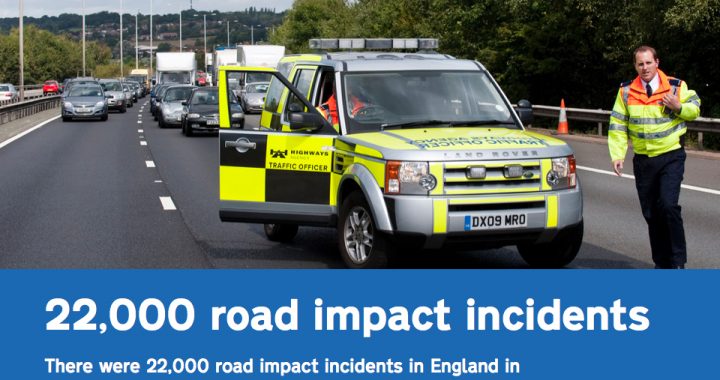
load securing guide-22000-road-impact-incidents

DVSA publishes new load securing guide for vehicle operators

DVSA publishes new load securing guide for vehicle operators. New guidance has been published by the Driver and Vehicle Standards Agency (DVSA) to help vehicle operators transport loads securely. This is a very comprehensive new guide which is easy to read and very useful. It also contains great new DVSA films posted in youtube.

The guide, developed with the transport industry, sets out important information like:

  • who’s responsible for load securing
  • the consequences of poor load securing
  • how DVSA enforces the rules on load securing

It gives practical advice about:

  • loading on different types of vehicles
  • carrying different types of loads

The guide includes videos so operators can find out things like:

  • what DVSA looks for when it stops a vehicle at the roadside
  • how different load securing systems can be used

The new load securing guide can be used by fleet operators to help meet requirement V6 Safe loading in the FORS standard which states “Fleet operators shall ensure that vehicles are safely loaded and that appropriate load restraints are used.”

To view the full article, please click here

DVSA-publications-guides-forms-tools

The complete list of links to DVSA publications guides & forms

The complete list of links to DVSA publications guides & forms

I often get asked about which forms to use and what operator compliance publications the operator and driver should be utilising. So I’ve put together a rather helpful, regularly updated complete list of links to DVSA publications, guides, forms and tools for you. A one stop definitive place to find those all important DVSA publications, guides & forms, operator compliance legislation & other very helpful information.

Last update 24/07/18

Goods Vehicles Operators Guides

The Guide to maintaining roadworthiness 2018
https://www.safedrivingforlife.info/sites/default/files/guide-to-maintaining-roadworthiness.pdf

Guide to Goods Vehicle Operators Licensing 2011 (GV74)
https://www.gov.uk/government/uploads/system/uploads/attachment_data/file/193518/Goods_Vehicle_Operator_Licensing_Guide.pdf

Guide to graduated fixed penalties and financial deposits 2013
https://www.gov.uk/government/publications/guide-to-graduated-fixed-penalties-financial-deposits

GV262-03 Drivers’ Hours and Tachograph’s guide 2015
https://www.gov.uk/government/publications/rules-on-drivers-hours-and-tachographs-goods-vehicles-in-gb

Updates to Drivers’ Hours rules 4th March 2016
https://www.gov.uk/guidance/drivers-hours-goods-vehicles/updates

Working time regulations for mobile workers 2013
https://www.gov.uk/government/publications/working-time-regulations-for-mobile-workers

Staying legal heavy goods vehicle (HGV) drivers 2011
https://www.gov.uk/government/publications/staying-legal-heavy-goods-vehicle-drivers

Load securing: vehicle operator guidance 2017
https://www.gov.uk/government/publications/load-securing-vehicle-operator-guidance

HGV overloading: the basics 2013
https://www.gov.uk/government/publications/hgv-overloading-the-basics

The safe Operators Guide 2009
http://www.thetransportmanager.co.uk/wp-content/uploads/2015/07/vosa-safe-operators-guide.pdf

Categorisation of Defects 2015
https://www.gov.uk/government/publications/categorisation-of-defects

MOT testing guide (6th edition) 2004
https://www.gov.uk/government/publications/mot-testing-guide

VOSA Safe Operators Guide
https://tmconsultant.co.uk/wp-content/uploads/2017/03/vosa-safe-operators-guide.pdf

Working time regulations for mobile workers:
www.gov.uk/government/publications/working-time-regulations-for-mobile-workers

The role of the traffic commissioners
www.gov.uk/government/organisations/traffic-commissioners

A guide to representations, objections and complaints
www.gov.uk/government/publications/a-guide-to-making-representations-objections-and-complaints-goods-vehicle-operator-licensing

Senior Traffic Commissioner’s statutory guidance and statutory directions – How traffic commissioners approach the exercise of their statutory functions
https://www.gov.uk/government/collections/senior-traffic-commissioners-statutory-guidance-and-statutory-directions

Operator Compliance Risk Score (OCRS)
www.gov.uk/government/publications/operator-compliance-risk-score-guidance-ocrs-notes

International Road Haulage
www.gov.uk/the-essentials-of-international-road-haulage

Running a fleet of vans
www.gov.uk/government/publications/your-van-best-practice-guide

Towing small trailers guides
www.gov.uk/government/publications/quick-guide-to-towing-small-trailers

https://www.gov.uk/government/publications/towing-a-trailer-with-a-car-or-van

Recovery operations guide
www.gov.uk/government/publications/guide-for-recovery-operations

Horsebox and trailer owners
www.gov.uk/government/publications/guidance-for-horsebox-and-trailer-owners

Driver CPC overview
www.gov.uk/driver-certificate-of-professional-competence-cpc/overview

Driving licence categories
www.gov.uk/driving-licence-categories

Driving licence codes
www.gov.uk/driving-licence-codes

Guide to graduated fixed penalties and financial deposits
www.gov.uk/government/publications/guide-to-graduated-fixed-penalties-financial-deposits

Guide to vehicle immobilisation:
www.gov.uk/government/publications/guide-to-vehicle-immobilisation

Digital drivers cards (DQC)
www.gov.uk/government/publications/digital-drivers-cards-how-to-stay-within-the-law

Enforcement sanctions policy
www.gov.uk/government/publications/enforcement-sanctions-policy

Lorry types and weights:
www.gov.uk/government/publications/guide-to-lorry-types-and-weights

HGV inspection manual (2013 consolidated version)
www.gov.uk/government/publications/consolidated-hgv-inspection-manual-2013

HGV brake test
www.gov.uk/government/publications/preparing-your-heavy-vehicle-for-brake-test

Braking connections when using a trailer:
www.gov.uk/government/publications/understanding-your-braking-connections-when-using-a-trailer

Automatic slack adjusters – maintenance guide
www.gov.uk/government/publications/automatic-slack-adjusters-maintenance-guide

Dangerous and hazardous goods vehicles inspection
www.gov.uk/government/publications/guide-to-the-inspection-of-dangerous-and-hazardous-goods-vehicles

Seat belt installations
www.gov.uk/government/publications/guide-to-changes-to-seat-belt-installations

Maintenance software and computer storage of maintenance records
http://www.gov.uk/government/publications/a-guide-to-the-use-of-maintenance-software-and-computer-storage-of-maintenance-records

Individual Vehicle Approval manuals (IVA)
https://www.gov.uk/vehicle-approval/individual-vehicle-approval-manuals

Individual Vehicle Approval (IVA) for lorries help to get a pass
https://www.gov.uk/government/publications/individual-vehicle-approval-iva-for-lorries-help-to-get-a-pass

Individual Vehicle Approval (IVA) for vans help to get a pass
https://www.gov.uk/government/publications/individual-vehicle-approval-iva-for-vans-help-to-get-a-pass

Categorisation of defects
www.gov.uk/government/publications/categorisation-of-defects

HGV operator licensing forms

All operator licensing applications and changes are carried out now online. See refer to my guide on ‘how to apply for an operators licence’.

Other helpful Links

Stoneridge Tachograph Simulator – great tool for practicing the use of a digital tachograph
http://www.se5000.com/documentation.html

Find your nearest Authorised Testing Facility (ATF) or DVSA test station:
www.gov.uk/find-atf-vosa-test-station

Check MOT test history
www.gov.uk/check-mot-history-vehicle

HGV driver daily walkaround check poster
www.gov.uk/government/publications/heavy-good-vehicle-drivers-daily-walkaround-check

Moving on – Official advice and information for lorry, bus, coach and van operators and drivers

https://movingon.blog.gov.uk

I hope you found the complete list of links to DVSA publications guides & forms, operator compliance legislation & other helpful info useful. If you did then please share by clicking the social icons below.

Or if you have any questions please do just get in touch. Here to share the knowledge!

Driver CPC courses for 2017

Updated TMconsultant Driver CPC courses 2017 with a new Driver CPC course addition

Our updated TMconsultant Driver CPC courses 2017 with a shiny new course addition are here!

Great news! We have just updated our Driver CPC courses 2017 and added a great new course, Conflict Management. We’ve updated all our exiting courses with a couple of new additions including

  • Extending the Vulnerable Road User section
  • The addition of a brief overview of transmission and braking systems
  • New media including the new DVSA films
  • An updated daily inspection to include checking over new safety equipment if fitted
  • Updated Health & Safety section including RIDDOR

We’ve also renewed our driver CPC course timings and how we programme to keep the content as exciting and fresh as possible.

New Conflict Management Course

Thanks to JK Transport Training Services for submitting this course for approval, it looks awesome. Here’s the content:

  • Communication
  • Human Resonances in conflict situations
  • Asserting and reducing risks in conflict situations
  • De-escilcating conflict in emotive situations
  • Good practice following a conflict situation

This course helps you understand that changing what you do, what you say and how you say it will create changes in another person. You will learn:

  • How communication can be used to solve problems and reduce the likelihood of conflict
  • The factors that influence human responses in conflict situations
  • How to assess and reduce risks in conflict situations
  • How to communicate effectively and de escalate conflict in emotive situations
  • Good practice to follow after conflict situations

If you would like to get some first class training in how to deal with conflict and gain 7 hours towards your Driver CPC, then this the course for you!

Please do get in touch if you would like to discus your Driver CPC options, here to share the knowledge!

Are you interested in become a Driver CPC trainer and run your own training centre? We are currently looking for likeminded industry folk to join our growing consortium of Driver CPC trainers. For more information visit here or get in touch.