Driver CPC Course Quality Self Assessment Checklist

Driver CPC Course Quality Self Assessment Checklist

As TMconsultant affiliate consortium members you know it is very likely you will have an unannounced visit from JAUPT at some point. So here is JAUPT’s Driver CPC Course Quality Self Assessment Checklist to help you better understand what the auditor will be looking for. I’ve included the top line headers below. For the full downloadable PDF version click here 

The purpose of Course Quality Assurance Visit is to check whether standards are being maintained across courses being delivered. An approved training course can be subject to unannounced visits at any time from a JAUPT or DVSA/DVA representative and a similar form will be completed. To help you with this process we have devised this self-assessment checklist so that you are aware of. We hope that this self-assessment will assist you with the identification of areas of continuous improvement and ensure that you are ready for any visit by a JAUPT or DVSA/DVA auditor. The areas covered include: the quality and delivery of the training, knowledge transfer, the learning environment, the course content, ensuring the course is being delivered in line with the approved course layout and identification checks and registration. Where possible we have indicated a link to resources which may assist you when completing the form. The responsibility for quality and safety at an approved training centre lies with the responsible contact i.e. the person operationally responsible for periodic training. By completing this self-assessment it is not in itself a suitable and sufficient means of ensuring full compliance.

COURSE QUALITY ASSURANCE SELF ASSESSMENT

SECTION 1 DELIVERY REQUIREMENTS

Version Control April 2017
1.1
The identity and licence checks are completed on each day of the course prior to the start of training?
Register delegates and check their identities: https://www.gov.uk/guidance/run-a-driver-cpc-training-course
1.2
For practical on-road driving training, trainee licence entitlement checks are completed and recorded?
Register delegates and check their identities: https://www.gov.uk/guidance/run-a-driver-cpc-training-course
1.3
A full auditable trail to confirm attendance and ID checks are completed on the day?
Register delegates and check their identities: https://www.gov.uk/guidance/run-a-driver-cpc-training-course
1.4
The trainer delivered the course in accordance with the course summary to ensure learning outcomes were
met? Train the drivers using your approved course https://www.gov.uk/guidance/run-a-driver-cpc-training-course
1.5
The number of trainees in attendance is conducive to learning in the environment used?
1.6
Trainees attended the course for the minimum period for which the course
is approved? Train the drivers using your approved course https://www.gov.uk/guidance/run-a-driver-cpc-training-course
1.7
The observed session met the Level 2 requirement? https://www.jaupt.org.uk/news/2015/11/level-2-guidance

SECTION 2 TRAINING ENVIORNMENT

2.1
The training area was free from significant distractions/disruptions?
2.2
Adequate space and seating is available for all trainees in attendance?
2.3
The room layout is suitable for the trainer and training aids are visible to all trainees?
2.4
Resources are legible and audible to all trainees?
2.5
The training room has adequate ventilation, temperature & lighting? http://www.hse.gov.uk/pubns/indg293.pdf
2.6
The training venue’s welfare facilities are adequate? http://www.hse.gov.uk/pubns/indg293.pdf

SECTION 3 COURSE INTRODUCTION & STRUCTURE

 3.1
Trainees have been given a safety briefing that included: Fire evacuation and health & safety procedures?
3.2
The trainer explained how the course would run on the day and included an overview of topics & breaks?
3.3
Trainees are given up-to-date information about security & fair processing of their personal information?
3.4
The trainer included a learning agreement? e.g. trainer & trainees expectations of the course and conduct regarding mobile phone, mutual respect, participation and confidentiality?
3.5
Trainees have been told the aims and objectives of the course?
3.6
At the start of the course the trainer established the trainees pre-existing knowledge of the subject matter?

SECTION 4 APPROVED CONTENT

4.1
The learning materials, equipment and learning environment have been adequately prepared before the
proposed start time of the course?
4.2
The approved course content is suitable and relevant to the industry
sector of the trainees in attendance?
drivers-using-your-approved-course
4.3
The course included practical activities and all trainees were engaged throughout?
4.4
Training aids used (e.g. DVDs, Case Studies, etc) are relevant to the subject matter delivered?
4.5
The approved course summary has VRU content?
4.6
The observed session contained VRU?
4.7
The Driver CPC/SAFED Logo was being used in accordance with the most recent Logo Guidelines?
https://www.jaupt.org.uk/media/599289/driver-cpc-logo-guidelines-v6.pdf

SECTION 5 TRAINER DELIVERY

5.1
Knowledge: The trainer demonstrated appropriate knowledge of the subject?
5.2
Questioning Techniques: The trainer used various styles of questions that were relevant to the course objectives?
5.3
Control & Participation: The trainer controlled discussions, stimulated participation and encouraged the trainees to remain focused throughout?
5.4
Delivery Method & Resources: The trainer followed the delivery method and utilised the resources specified in the Approved Course Summary?
5.5
Confidence & Enthusiasm: The trainer was confident, with controlled voice and body language.
5.7
Wrap up: The trainer checked knowledge transfer with the group and provided opportunities for questions/clarification and confirmed the learning outcomes were achieved?
———————————————-
If you need any help with Driver CPC Course Quality Self Assessment Checklist or you would like to join the TMconsultant Consortium please get in touch. Here to share the knowledge!
Transport Manager Duties

Top-line Transport Manager Duties

This list of Top-line Transport Manager Duties is not exhaustive and is intended to be used as a guide only. I have broken the jobs by daily, weekly, monthly, quarterly, and annually.  Many of the jobs are interlinked and will need to be repeated where necessary. For a more detailed breakdown of the TMs duties, we have compiled the definitive transport manager’s compliance pack that contains all the requisite policies and procedures, risk assessments, declarations, and helpful tools, essential in helping you to effectively and continuously manage all transport activities.

Transport Manager Duties

Daily

  • Ensure all drivers have a daily defect report book
  • Ensure 3.5t drivers have a daily working time book. Including drivers who are swapping from EU to GB regs
  • Ensure VU has paper roll inserted and drivers carry a spare
  • Enter all defects are entered into a master defect book or the MS for cross-referencing
  • Ensure all defects are rectified immediately, information has been recorded accurately and signed off – No rolling defects
  • Collect any completed defect report books and working time record books
  • Record any of the below on the Master Spreadsheet (MS)
    • Fines
    • Accidents
    • Incidents
    • Insurance claims
    • Breakdowns
    • Roadside stops
    • Complaints
    • Driver info changes
    • Training
  • Check planner schedule for any vehicle maintenance due dates
  • Ensure any vehicles due for maintenance are booked in with suppliers
  • Carry out pre-employment assessments for new drivers
  • Carry out induction training for any new drivers
  • File any relevant documentation

Weekly

  • Review/cross-reference all defects
  • Check whether part-time or agency drivers have or have not driven for any other company. If yes, they must complete the Agency or part-time driver activity record
  • Check planner for vehicle maintenance
  • Book in vehicles for PMIs, MOTs, Servicing, Brake Tests, Tyre changes
  • Enter fuel and tyre usage on the MS

Monthly

  • Collect Tachograph data and charts from drivers and VUs for analysis
  • Send off data for analysis
  • Make a record of the date sent and when reports are returned using the MS
  • Complete the Tachograph analysis discussion with drivers
    • Cross-reference charts with reports
    • Drivers must justify any infringements in writing on the report
    • Drivers must sign off any infringements and TM countersign
    • Check:
      • Digital Over Speeding – Instances whereby a vehicle has been recorded exceeding the predefined maximum speed limit for HGV/PCV’s. Small instances may indicate a steep descent. Review of any instances that exceed 3 minutes in duration.
      • Events and Faults – Lists all error messages and diagnostic events that the digital tachograph unit within a given vehicle has recorded, such as tampering with the unit, removal of power supply, or mechanical/electrical failure. Review this section in detail.
      • Driving without an Appropriate Card – This error occurs when the VU registers that the vehicle has been moved without a driver, enforcement, or workshop card being in place. In all likelihood, this error is brought about by small movements or shunts. However, they need to be explained where possible
      • Unknown Driver – Indicates in detail every instance whereby a vehicle has recorded itself in motion, without a driver, workshop or enforcement card being inserted. Although most instances will constitute a small shift or shunt, a review of this section in detail and paying close attention to any instance which exceeds 5 minutes in duration is recommended.
    • Record driver infringements on MS. Analyse trends to determine whether a driver needs any further training, reprimands (warning letter)
  • Cross-reference PMI sheets with defect reports and carry out investigations for any discrepancies – Sign off PMI sheets
  • Complete a spot check daily walk round check with drivers to ensure they are doing this properly – provide training where necessary
  • Check with publications and online recourses for new legislation and general information relating to operating vehicles/training
  • Review planner and make any necessary adjustments
  • Book in vehicles for PMIs, MOTs, Servicing, Brake Tests, Tyre changes
  • Carry out monthly driver meetings including a toolbox talk – record each toolbox talk using the training record sheet
  • Carry out relevant driver licence checks
  • Carry out relevant eyesight checks
  • Carry out a monthly review/status meeting all staff involved with transport and with all connected departments

Quarterly

  • Processes review and update policies and processes where necessary

Annually

  • Ensure all vehicles are booked in for Pre MOT and MOT
  • Book drivers in for annual Driver CPC training and or any other required training
  • Carry out an annual review meeting with Directors and connected departments to include policies and processes according to Operator and Driver Handbooks
  • Review and update policies and processes where necessary
  • Directors to sign off updates
  • Communicate policy changes to drivers – Carry out annual review meeting with drivers including any policy updates – drivers to be given new updates with training and driver declaration sign off

For more information regarding the documentation and services we offer and Top-line Transport Manager Duties, please visit the TMconsultant shop or alternatively please just get in touch. If you are looking to become a Transport Manager, have a look at the National Careers Service page for Transport Managers and also a blog I wrote, Looking for an External Transport Manager?

Here to share the knowledge!

Talent in logistics

JK Transport win the Talent in Logistics Driver CPC Training Provider of the Year Award 2017

We are very proud and pleased to announce that our very own Consortium member JK Transport win the Talent in Logistics Driver CPC Training Provider of the Year Award 2017! “The Driver CPC Training Provider of the Year Award, sponsored by Women in Logistics, went to JK Transport Training Services Ltd who has exceeded customer expectations and improved driver engagement.” They beat off competition from big boys Tesco Distribution and other very worthy competitors.

JK Transport - Talent in Logistics winner 2017- Driver CPC Training Provider

Managing Director James Kirwin says “we won the Driver CPC Training Provider of the Year at the Talent in Logistics Awards last night in Telford. It’s great to be recognised by our industry as a quality training provider, or THE quality training provider, in a very competitive market. Congratulations to the runners-up including Tesco! Thanks to the award sponsors, Women in Logistics Group. We also met Michael & Katrina Ferran of Transport Consulting Company and discussed our experiences of CPC delivery. Many of these were common to both businesses.”

JK Transport Training Services have been a member of the TMconsultant driver CPC training consortium right from our humble beginnings and have now grown into a leading driver CPC provider in the North of England. Although they are based in Middlesborough, JK Transport have recently expended delivery of Driver CPC nationally. Not only do JK Transport supply Driver CPC, they also offer top class HGV training services, compliance audits, external transport management consultancy and driver assessments. Congratulations again JK Transport Training Services!

If you would like to book your Driver CPC training with JK Transport Training Services you can contact them here.

If you would like to become a member of the TMconsultant Driver CPC consortium just get in touch. Here to share the knowledge!

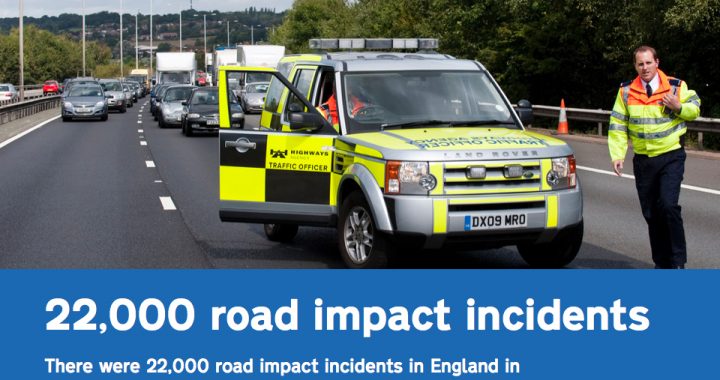
load securing guide-22000-road-impact-incidents

DVSA publishes new load securing guide for vehicle operators

DVSA publishes new load securing guide for vehicle operators. New guidance has been published by the Driver and Vehicle Standards Agency (DVSA) to help vehicle operators transport loads securely. This is a very comprehensive new guide which is easy to read and very useful. It also contains great new DVSA films posted in youtube.

The guide, developed with the transport industry, sets out important information like:

  • who’s responsible for load securing
  • the consequences of poor load securing
  • how DVSA enforces the rules on load securing

It gives practical advice about:

  • loading on different types of vehicles
  • carrying different types of loads

The guide includes videos so operators can find out things like:

  • what DVSA looks for when it stops a vehicle at the roadside
  • how different load securing systems can be used

The new load securing guide can be used by fleet operators to help meet requirement V6 Safe loading in the FORS standard which states “Fleet operators shall ensure that vehicles are safely loaded and that appropriate load restraints are used.”

To view the full article, please click here

JAUPT announced audit 2018

Driver CPC Training – What’s the point?

Driver CPC Training – What’s the point?

Driver CPC Training – What’s the point? Is a question I get asked all the time by drivers. Well, there a many great reasons for Driver CPC Training. I’m now into my 7th year of Driver CPC training and running a Driver CPC Consortium and I’m shocked as to how many professional drivers out there have gaps in their basic ‘need to know’ knowledge. And interestingly, I’m constantly asked “Driver CPC training, what’s the point? Aside from the fact that all HGV drivers should know their EU Drivers Hours, Working Time (RTD), Driver walk round checks & Defect reporting/rectification processes and how to use a Tachograph properly, the fact is many still don’t.

So here’s my eleven reason why taking Driver CPC training can only be beneficial for the professional driver.
  1. It will help to improve your understanding of legislation
  2. It’s always beneficial to undertake refresher training
  3. You may learn something new
  4. It’s a chance to air your grievances
  5. It will help clarify any issues or lack of understanding
  6. It can show how you can work with your employer to help improve working conditions
  7. You can discus the subjects in a open environment and argue your points both positive and negative
  8. It’s a great opportunity to ask questions with a professional Driver CPC trainer and discus with other drivers
  9. Armed with the facts, you can drive/work with confidence – no grey areas
  10. It will help improve your working day through having a better understanding of fuel efficiency, nutrition advice, how to deal with stress, customer service, traffic law and Health & Safety
  11. Any training when driving a large, potentially lethal vehicle can only be beneficial for the driver and the public

Obviously this list isn’t exhaustive but they are the main points. If you disagree or would like to add to the list please feel free, just get in touch!

I can’t think of any reasons why not only taking Driver CPC training is necessary but why you, as a professional driver shouldn’t enjoy your day with like minded individuals. Rather than going into the session with a negative attitude, next time think about how beneficial Driver CPC Training can be for you, your employer and the public!

If you have any questions regarding the above, anything to do with Driver CPC Training or becoming a Driver CPC Consortium please do get in touch, we’re here to share the knowledge!

Driver CPC Consortium, what's the point?

Policies and Procedures tm consultant

Why we like Policies and Procedures for Transport Managers

Why do we like Policies and Procedures for Transport Managers? Imagine a bustling transport operation where vehicles are dispatched seamlessly, maintenance issues are promptly addressed, and drivers adhere to strict safety protocols. This smooth operation isn’t a result of chance but of meticulously crafted policies and procedures. While the topic might not seem thrilling at first glance, its importance cannot be overstated.

Policies and procedures for transport managers provide the foundational framework for how a transport department functions. They define responsibilities, streamline decision-making, and ensure consistent and transparent operations. By establishing clear guidelines, policies and procedures helps prevent misunderstandings and debates, making it easier to navigate complex situations and maintain organisational harmony.

Transport managers, in particular, rely on these frameworks to implement Operator Licence undertakings effectively. From vehicle checks and maintenance to health and safety protocols, grievance procedures, and training programs, comprehensive policies cover a wide array of operational aspects. Writing a policies and procedures manual is undoubtedly a significant and time-consuming task, but it results in a powerful document that is indispensable to any efficient transport operation.

Why Do We Have Policies and Procedures?

Ensuring Efficiency and Control

No successful operator can run efficiently without robust policies and processes in place. A business without these guidelines is like a truck without a driver—essentially an organisation without control. Personnel at all levels would lack the guidance needed to make decisions and carry out tasks effectively. Consider the scenario of returning a faulty product to a shop without a clear refund policy; the outcome would vary based on who is serving you. Similarly, the absence of policies leads to inconsistent decision-making within an organisation.

Components of a Strong Internal Control System

The purpose of creating an internal control system through defining and documenting processes with well-written procedures can be summarised into four key components:

  1. Compliance: Complying with traffic laws and regulations is the fundamental responsibility of any operator. While policies and procedures alone may not demonstrate compliance, well-documented processes, including training and record-keeping, highlight an effective internal control system and adherence to regulations and standards.
  2. Operational Needs: Policies and procedures ensure that all operations run smoothly by providing clear guidelines on how tasks should be performed. This leads to a more organised and efficient workflow.
  3. Managing Risks: Identifying and mitigating risks is crucial for any transport operation. Well-defined procedures help manage potential risks by establishing protocols for various scenarios, thereby minimising the chance of errors and accidents.
  4. Continuous Improvement through Review: Regularly reviewing the effectiveness of policies is an integral part of internal control. Are your objectives being met? Are they meaningful and reflective of the process’s importance and risk? Necessary corrections can be identified and implemented through these reviews, fostering continuous improvement. Improvement is always a question of “as compared to what?”

Enhancing Efficiency and Reducing Supervision

Efficiency is at the heart of a transport manager’s role. Since the transport manager cannot be everywhere at once, developing and communicating policies allows staff and drivers to understand and adhere to their responsibilities independently. This reduces the need for direct supervision and increases overall operational efficiency. Creating well-defined processes documented by procedures to meet legal and regulatory requirements should be a top priority.


The Benefits of Well-Defined Policies and Procedures

Supporting Effective Decision-Making

Clear policies and procedures provide a framework for decision-making and delegation. They outline what actions are permissible, what decisions can be made, and what activities are appropriate. This clarity supports effective decision-making at all levels of the organisation.

Reducing Misunderstandings and Ensuring Consistency

A clear policy framework minimises misunderstandings and debates about specific situations. It ensures transparency and consistency in organisational operations and decision-making, creating a more harmonious and efficient working environment.


Implementation and Challenges

Creating a Comprehensive Manual

Writing a policies and procedures manual is a significant undertaking for any transport manager. It requires time and effort to gather all the necessary information and format it into a coherent document. However, once completed, it becomes a valuable asset that provides clear guidance for all operational aspects.

Utilising Off-the-Shelf Templates

Off-the-shelf templates can save time and effort. They provide a good starting point, but it’s crucial to customise them to meet your specific company requirements. While templates reduce the initial workload, a thorough review and adjustments are necessary to ensure they fit your organisation’s unique needs.

It’s worth noting that if you are ever in the unfortunate position of being called to a public enquiry, the Traffic Commissioner will scrutinise your policies and processes. If you have purchased an off-the-shelf template and have not made the requisite amendments, they will notice!


Continuous Improvement and Review

Regular Reviews and Updates

Reviewing data for policy effectiveness is a critical form of internal control and should be an integral part of the process. Annual reviews help determine if objectives are being achieved and if they are meaningful and reflective of the process’s importance and risk. These reviews enable necessary corrections and improvements.

Driving Improvement

Improvement occurs when comparing the prior condition to the current condition. It’s essential to ask, “as compared to what?” This question drives continuous improvement, ensuring that policies and procedures remain effective and relevant.


Conclusion

Policies and procedures are the backbone of any successful transport operation. They provide the structure needed for efficient and compliant operations, support effective decision-making, and drive continuous improvement. While creating these documents can be time-consuming, the benefits they offer make them an indispensable part of a transport manager’s toolkit.

If you would like to purchase our comprehensive Compliance Pack or would like to know more about writing your own policies and procedures for transport managers, please do get in touch. Here to share the knowledge!

How to Become an External Transport Manager

Perhaps you’re just starting on a new venture, you could already be working in the transport industry, or you’re already a qualified transport manager and looking to transition to an external transport manager. Wherever you are on your career journey, please read on to find out, How to Become an External Transport Manager.

Most Small/Medium Enterprise (SME) operators don’t need to employ the services of a full-time transport manager. They therefore can opt to use a part-time/freelance external transport manager. This is where you come in, but if not already, you will first need to get qualified.

Step 1. Getting Qualified

To become an external transport manager you will first need to obtain a Transport Manager Certificate of Professional Competence (CPC) otherwise known as the Transport Manager CPC or TM CPC. It’s suitable for those wishing to enter the profession of HGV or PCV transport management to demonstrate professional competence to meet Operator Licensing requirements.

The Transport Manager CPC qualification is offered on behalf of the Department for Transport and is assessed at Level 3 competence of the National Qualification Framework.

The type of Transport Manager Certificate of Professional Competence (CPC) exam you need to take depends on which sector you want to work in:

  • Road Haulage – For goods vehicle operators, HGV or van companies
  • Road Passenger Transport – For public service vehicle operators, bus or coach companies

You need to take an exam approved by one of the following organisations:

  • Chartered Institute of Logistics and Transport (CILT)
  • City & Guilds
  • Innovate Awarding
  • National Logistics Training Consortium (NLTC)
  • NOCN Group
  • Skills and Education Group (SEG) Awards

Consider whether you will be working with operators running national and/or international operations. You will need to take an extra exam for international transport management.

Pop Transport Manager CPC into a search engine and find a training provider near you. Most offer options for distance learning, online, tutor-led and classroom courses.

Step 2. Getting ETM work

It is possible to become an external transport manager when just starting. Your options may be a little limited though, if you have little or no experience. There are, however, a few things you can do that will help tip the odds in your favour.

Get help/support

If you’re signed up with a company offering an ETMs finder service, you could ask them if you can come back to them, should you need some advice or guidance. You can also ask around, the Transport Manager Community are a friendly bunch and we’re always helping each other out. There are a few web forums out there, Facebook has a number of groups you can join to connect with other TMs

Be on top of your game

With sound knowledge and comprehensive understanding you can hit the ground running. If it’s a new operator, you could have your policies and processes documents ready to implement from the outset. Demonstrate you have a plan, so the operator knows they are in safe hands.

Aim for new SME (Small/Medium Enterprise) operators, running 1 to 5 vehicles. Starting with a new operator is great because you can grow together. My first job was with an owner-operator with one vehicle, he is now running a fleet of 50 vehicles and we are still working together.

ETM Finder services

There are companies (such as ourselves) that help operators gain their O’Licence and therefore are always on the lookout for external transport managers. Feel free to join our ETM database. If work comes in your area, we’ll be in touch!

New Operators

When you get work with a new operator, you will be expected to help set up their systems including policies/processes, tachograph hardware/software, and generally, guide them during the application process. We’ll have a look at systems in another post/video. Just remember that external transport managers are expected to provide the same level of expert compliance services as a full-time transport manager.

Restricted Licence Holders

You could consider offering your services to Restricted Licence holders. Restricted licence holders don’t need to employ the services of a professionally competent person, they have to sit OLAT but that’s it! However, restricted operators are required to comply with the same legislation as Standard Licence holders. I always advise Restricted Licence holders to ensure they at the very least, have access to professional advice. This can be in the form of a retainer service.

How many operators can I work for?

You can only work for 4 operators and a maximum of 50 vehicles. However, your application (via the operator’s application) will be at the Traffic Commissioner’s discretion. The factors considered include, how far and how long it will take you to travel to the operators’ premises, how many vehicles you will be managing, what work you will be carrying out, whether you have any assistance, what tasks the assistant will be assigned, the days and hours you will be working and what other work you do.

How much can I charge as an external transport manager?

The standard rates for an external transport manager are around £450.00 for the first vehicle plus £100.00 per vehicle after that. This system is based on the amount vehicles the operator has been granted on their licence, or the ‘margin’ as it’s called. So, if an operator has a five-vehicle margin, you could charge £850.00 per month, for example.

You can also charge more depending on the operator’s OCRS score. OCRS indicates the level of risk you will be managing. Therefore, you should consider the extra work and headspace required for the task ahead. It’s also worth noting you will need to take into account personalities. Every operator is different, however, an operator with a red OCRS score could indicate a resistance to compliance in general. If this is the case, you must be firm, resolute and confident with the systems you put into place. Have a look at my rates page here to get an idea of how much extra you should be charging for amber or red operators.

When can I start to charge my fee?

I often get asked by new operators if they can start paying the ETM from the point they put their first vehicle on the road. The simple answer to this question is no. Start to charge your fee as soon as the online TM1 form has been sent for approval and the contract has been signed. Once the TM1 form is in application, it has taken up one of your four permitted operator slots. Make sure the start date on your contract reflects this.

The Contract

You will need a comprehensive contract that covers:

  • Appointment/Termination
  • Duties
  • Fees, invoicing, and expenses
  • Confidentiality
  • Delivery up documents
  • Tax liabilities and indemnity
  • No employment
  • Data protection
  • Force majeure
  • Survival of causes of action
  • Severability
  • Waiver
  • Notices
  • Law and jurisdiction

It is always advisable to seek the assistance of a solicitor with all things legal. However, you can purchase and download a template copy of an External Transport Manager’s Contract here.

Considerations

There are some important things to keep in mind before making your application to the OTC. An ETM can only work for, up to four operators, managing a total of 50 vehicles.

Also, factors like, the total amount of vehicles you’ll be managing, the distance you’ll be travelling, whether you have on-site assistance and the tasks assigned to the assistant. Number of days and hours you work, and other work commitments will influence how much you’ll be permitted to take on.

Step 3. Transport Compliance Systems

Handbooks

As an External Transport Manager, ensure you are armed with all the documentation necessary to stay compliant. Policies and processes usually come in the form of handbooks. One for the operator and one for drivers and staff. They provide a framework within which an operator operates. They define what the transport department does and how you manage it. Clear policies and procedures support effective decision-making and delegation because they provide guidelines on what operators, drivers and staff can and cannot do, what decisions they can make, and what activities are appropriate.

Management tools

You will need to have tools in place to manage and record all required data. The easiest way to do this is to grab a spreadsheet and create tabs for each area of management required to be recorded. Such as:

  • Operator information
  • Vehicle maintenance planner
  • Driver information
  • Training Matrix
  • Incidents log
  • Complaints
  • Roadside stops
  • Fuel usage for example

There are compliance management software systems you can use but in all honesty, I have found them to be a little over-complicated for the SME operator.

You can use various compliance pack templates on the market. They should include but not be limited to:

  • Policies and procedures
  • Forms and stationery
  • Risk assessments
  • Declarations
  • Management tools

Feel free to have a look at our Transport Manager’s Compliance Template Pack which is both HGV and PCV friendly.

Tachograph analysis

You must ensure you have a means to collect and analyse driver card and vehicle unit (VU) data. You can either go directly to a tachograph analysis software company or sign up to a bureau. A bureau adds a level of extra personal service to the analysis process. Hardware-wise, you will need a download tool. More about tachograph analysis here.

Step 4. Add extra value to your offering

You can add value and earn extra income by becoming a Driver CPC Trainer. There are a few options open to you

You can learn more about how to become a Driver CPC trainer here.

Other opportunities

Other opportunities you can consider to make an extra buck are:

  • Compliance auditing services
  • Tachograph analysis services
  • FORS auditing
  • Restricted licence holder retainer services
  • Public Inquiry services

If you have any thoughts on other possible opportunities, I’d like to hear them!

Keep up to date, keep learning

Becoming an external transport manager can be a challenging yet rewarding career choice. It does require a wealth of knowledge but you can strengthen your position by staying up-to-date and, with most professions, continuous professional development is a key aspect of career development.

Keep up to date by signing up to trade publications. DVSA’s online publication ‘Moving On’ is the ticket for compliance updates. Feel free to join our newsletter too!

Need Help?

If you need any advice about how to become an external transport manager, please get in touch. We’re here to share the knowledge!